
Is The Fuel Crisis Changing Sustainable Boating, Faster Than You Think?
There’s a quiet shift happening in Australia. The kind that builds over seasons, conversations, and, lately, fuel receipts.
With global instability continuing to push fuel prices into uncomfortable territory, boating, long associated with freedom, is being forced into a new conversation. Efficiency matters more. Range matters more. And increasingly, how we power our time on the water matters most of all.
For years, electric boats were easy to dismiss. Slow, limited, better suited to inland lakes than open water. But that perception is starting to feel outdated.
What’s emerging now is something far more compelling.
A New Generation of Electric Boats in Australia
The most interesting development isn’t just that electric boats exist, it’s that they’re beginning to feel like real boats.
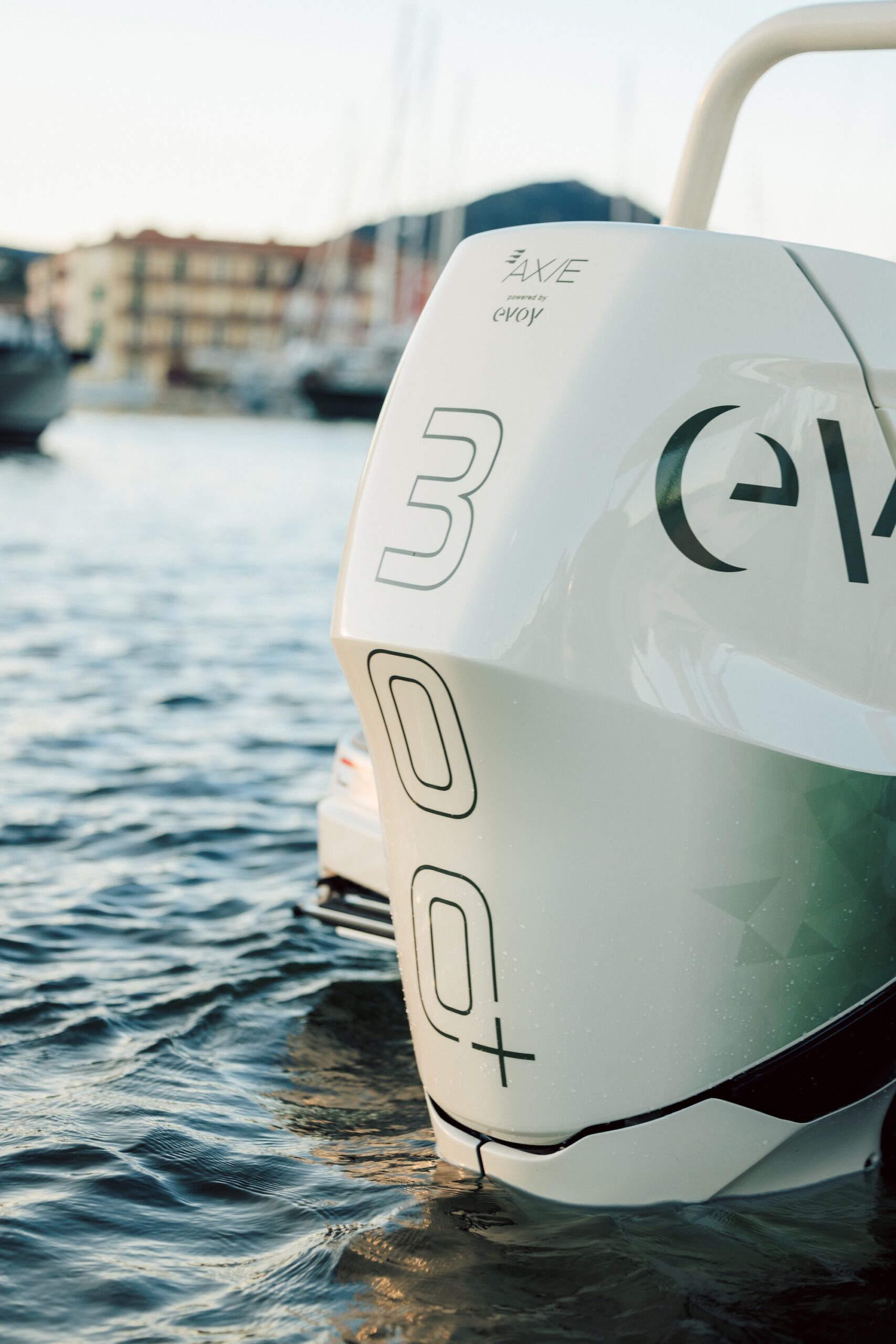
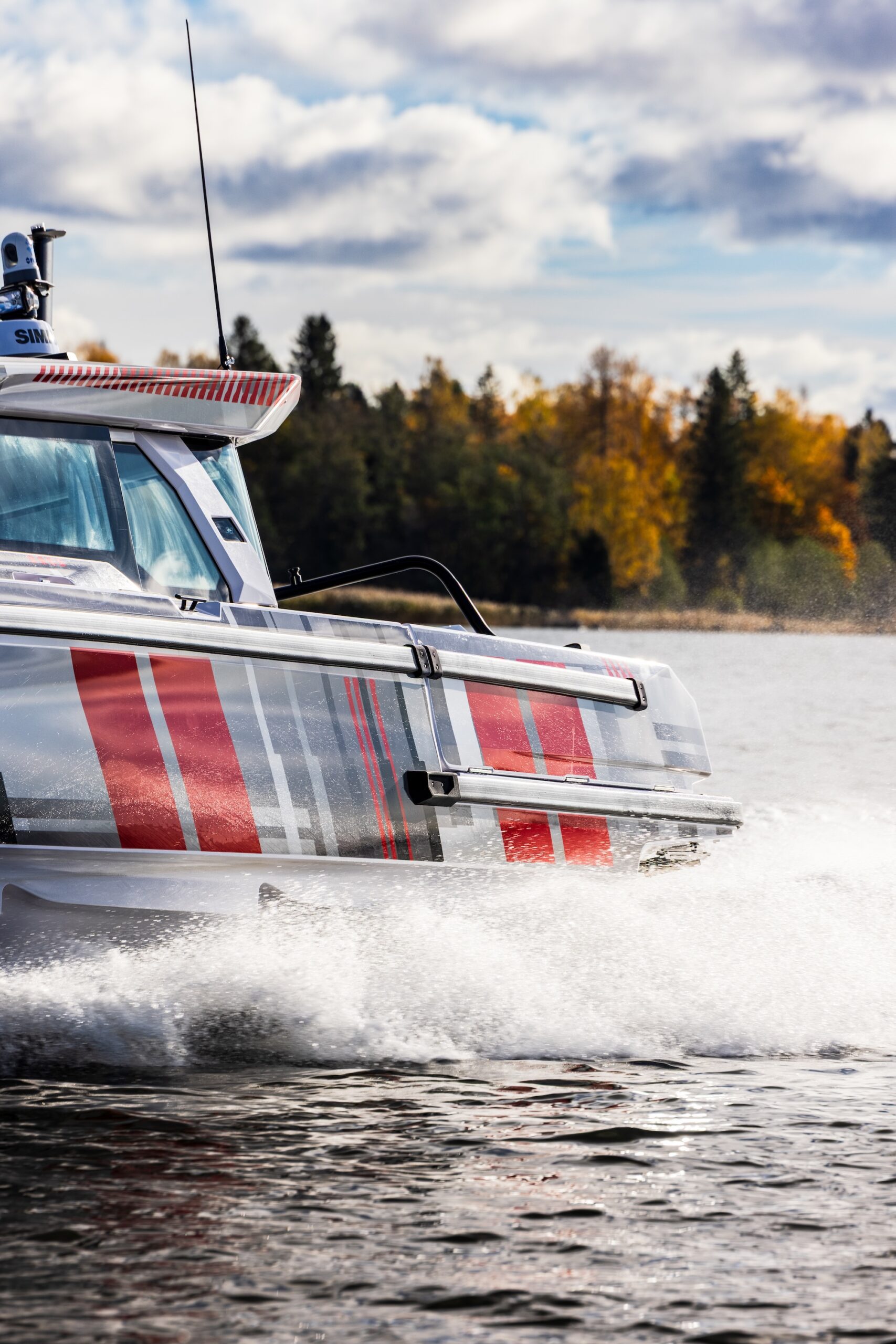
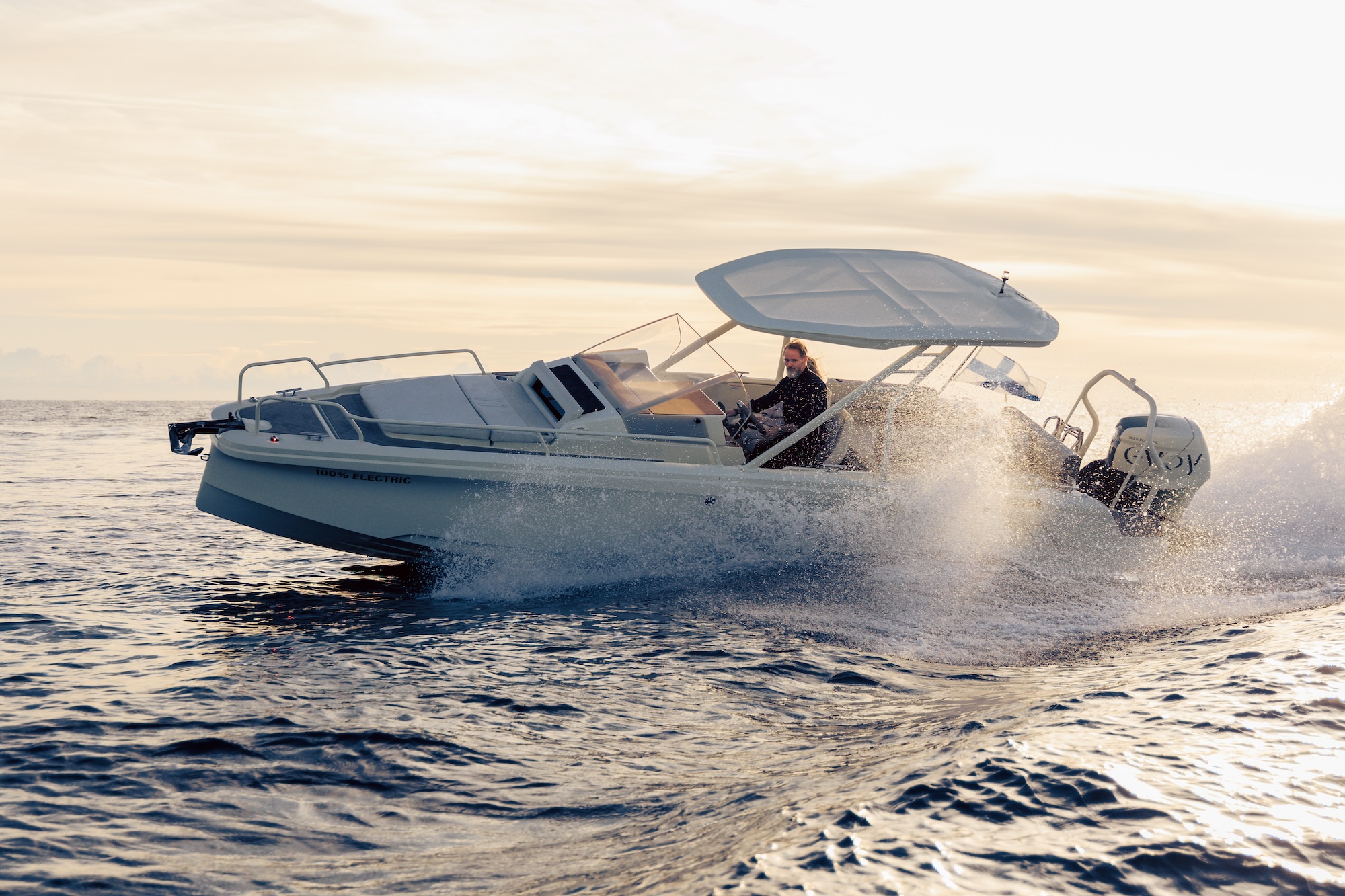
Take the Axopar approach. Known globally for performance-driven adventure boats, they’ve introduced a fully electric line under the AX/E sub-brand.
These are still Axopars.
Same hull. Same driving feel. Same capability offshore.
The difference is what’s happening beneath you.
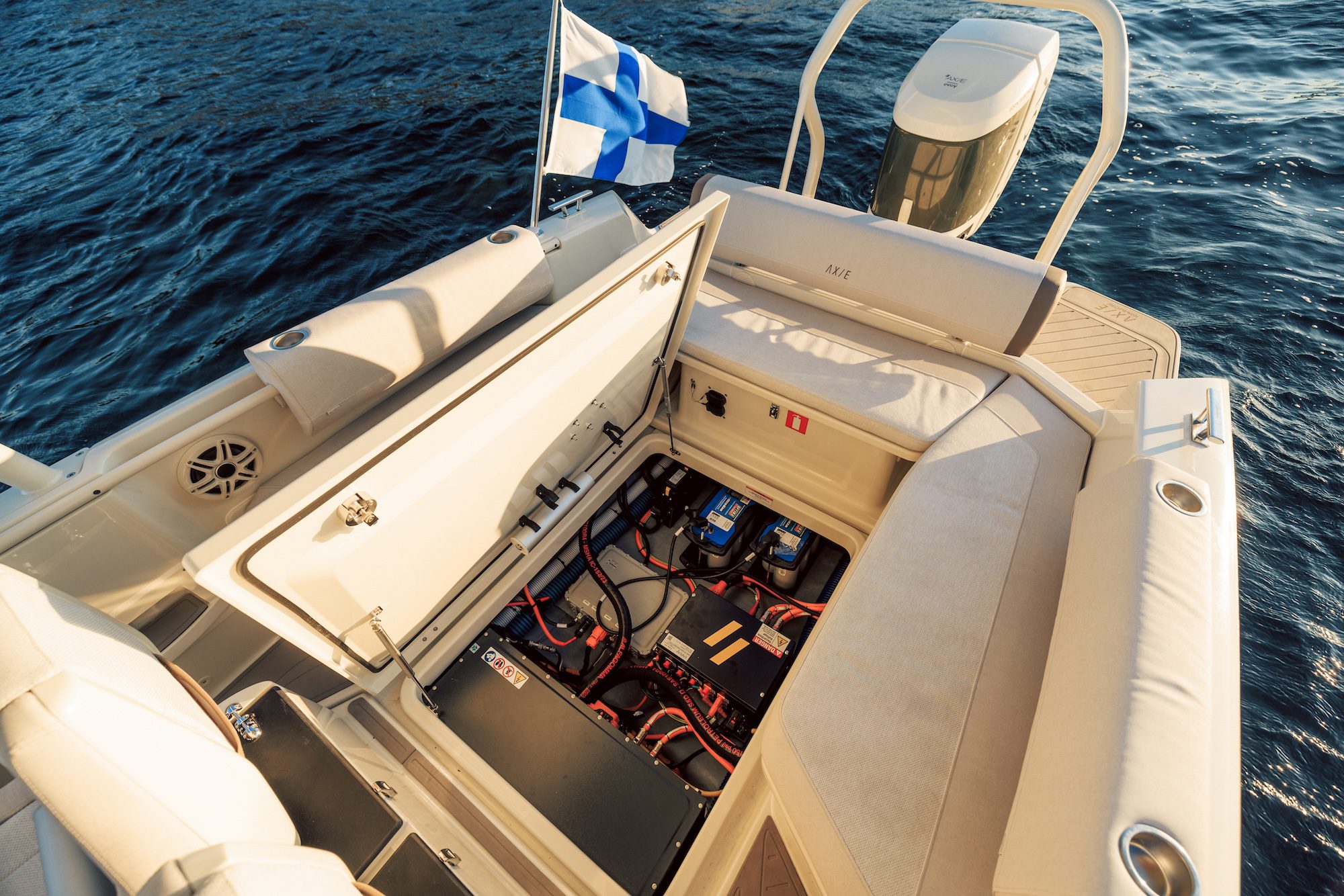
Partnering with high-performance electric propulsion specialists, the AX/E range delivers something most people don’t expect from electric; instant torque, real top-end speed, and a driving experience that feels closer to a performance car than a compromise.
It works because of the hull.
Axopar has spent years refining one of the most efficient hull designs on the market. That efficiency isn’t just about fuel savings, it’s what makes electric viable in the first place. Less drag, better balance, more distance from every unit of energy, whether that’s fuel or battery.
The result is an electric boat that doesn’t ask you to change how you boat. It just changes how it’s powered.
And for harbour use, day trips, and the kind of boating most Aussie owners actually do, it already starting to make sense. By the time it gets here, the market will be ready.
The infrastructure question
Of course, the hesitation remains.
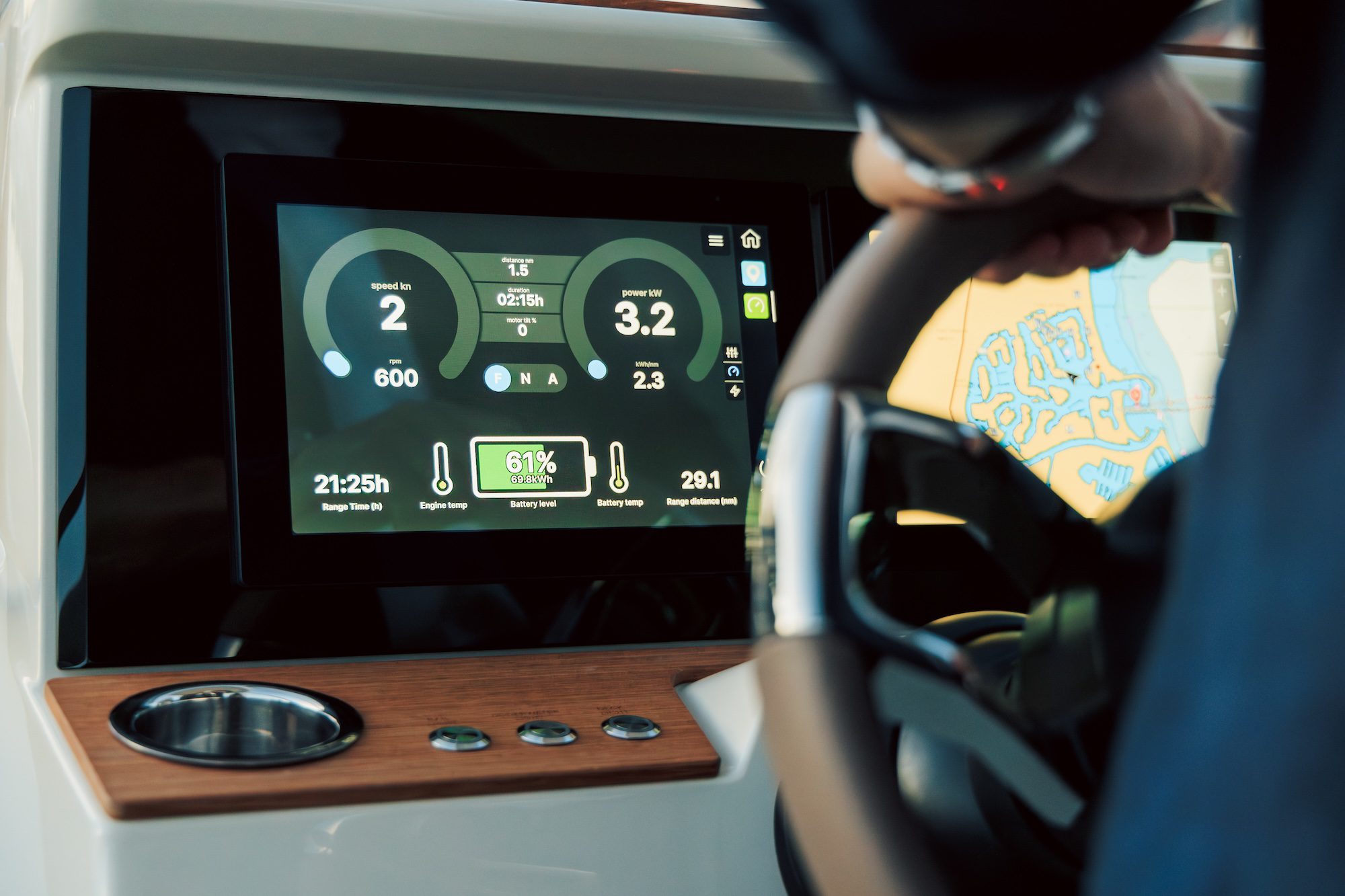
Charging infrastructure in Australia isn’t quite where it needs to be yet. Not in the way petrol docks are. Not consistently, not everywhere.
But it is coming.
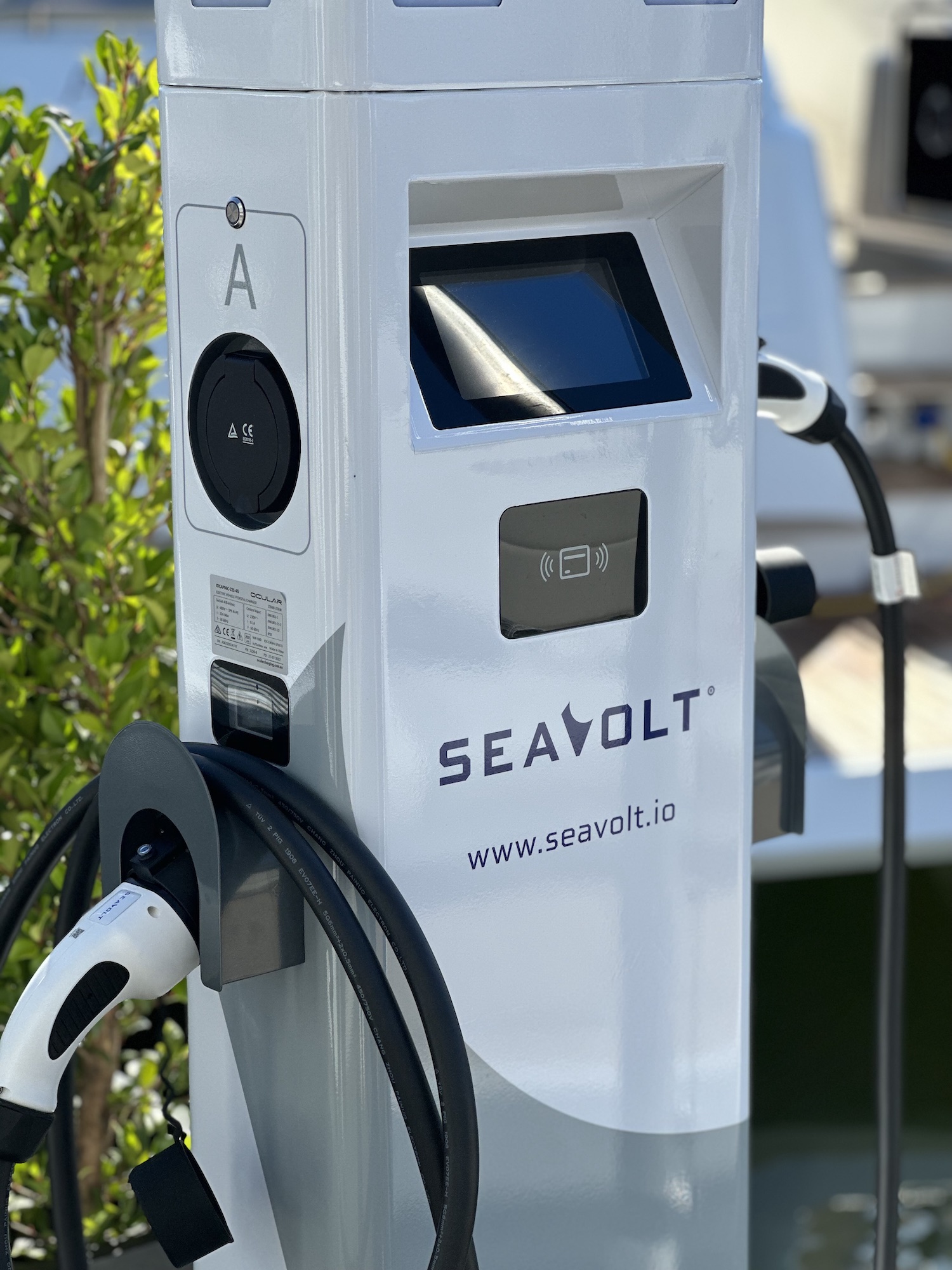
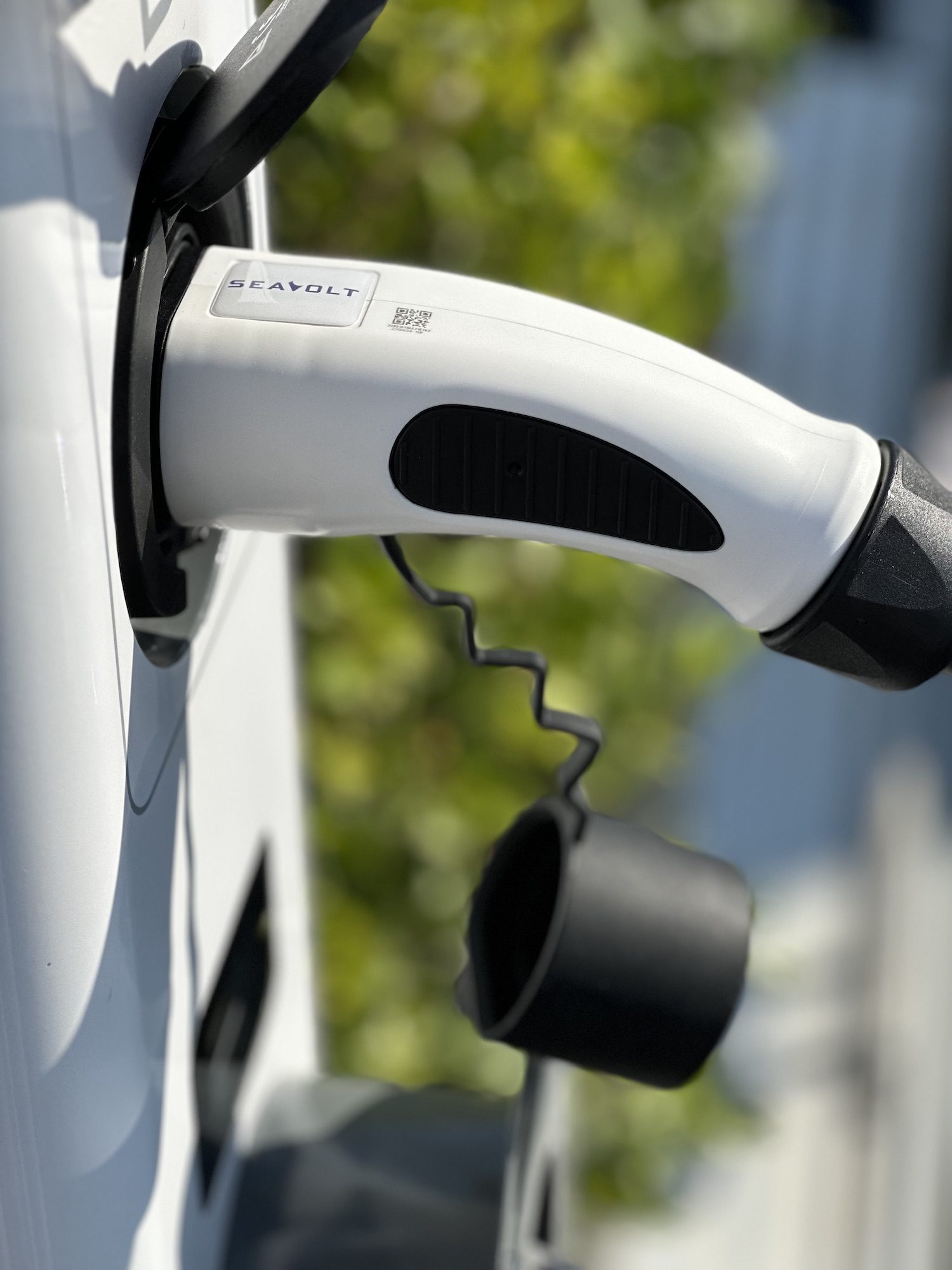
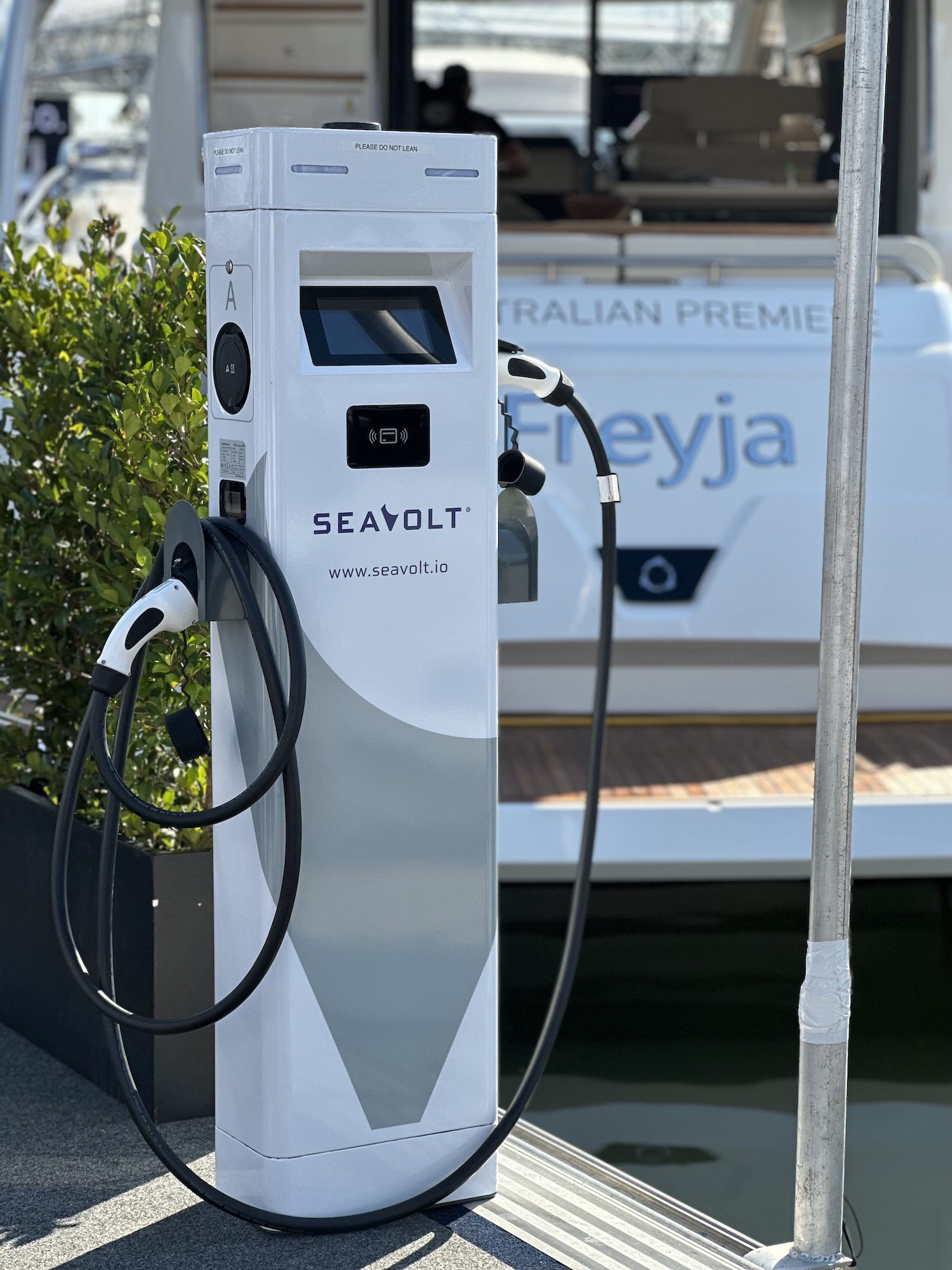
Private docks are beginning to upgrade, and marinas are starting to follow. In Australia, early infrastructure is already taking shape. The Quays Marina installed one of the first marine fast chargers in 2023, while d’Albora Marinas has since partnered with Seavolt to roll out DC fast charging across its network in Queensland, New South Wales, and Victoria. The rollout includes public vessel charging, AC charging options at individual berths, and supporting infrastructure in marina car parks, all powered by renewable electricity.
As seen with electric vehicles, infrastructure and adoption move together, early investment enables use, and growing demand accelerates further development.
For many, especially those boating locally, the gap is already small enough to work around.
Which is where the conversation turns.
Why Fuel Efficient Boats Matter More Than Ever
For many boaters, the shift isn’t straight to electric, it’s more immediate than that. With fuel prices still front of mind, there’s a growing focus on something less talked about but just as important, hull efficiency.
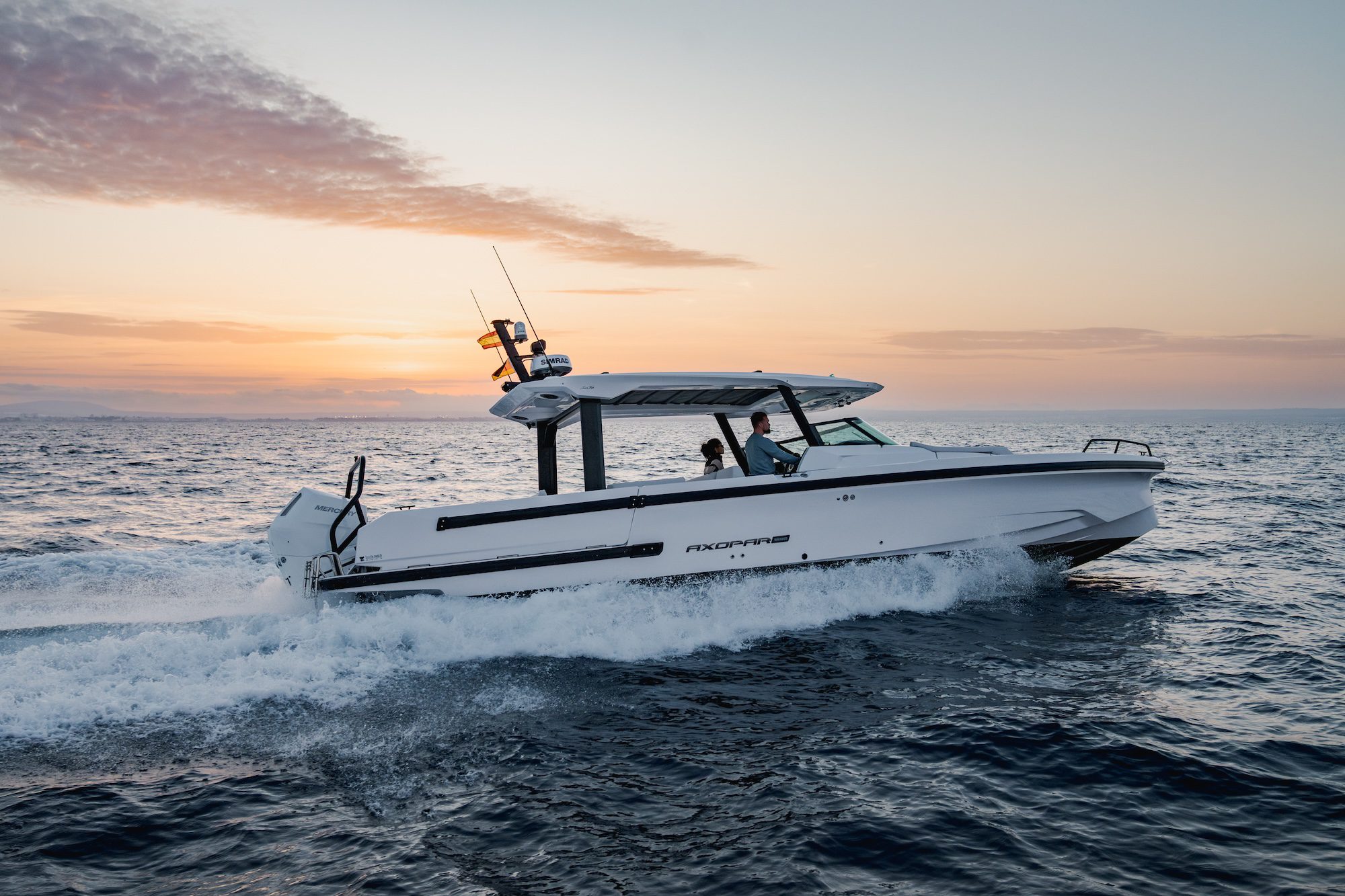
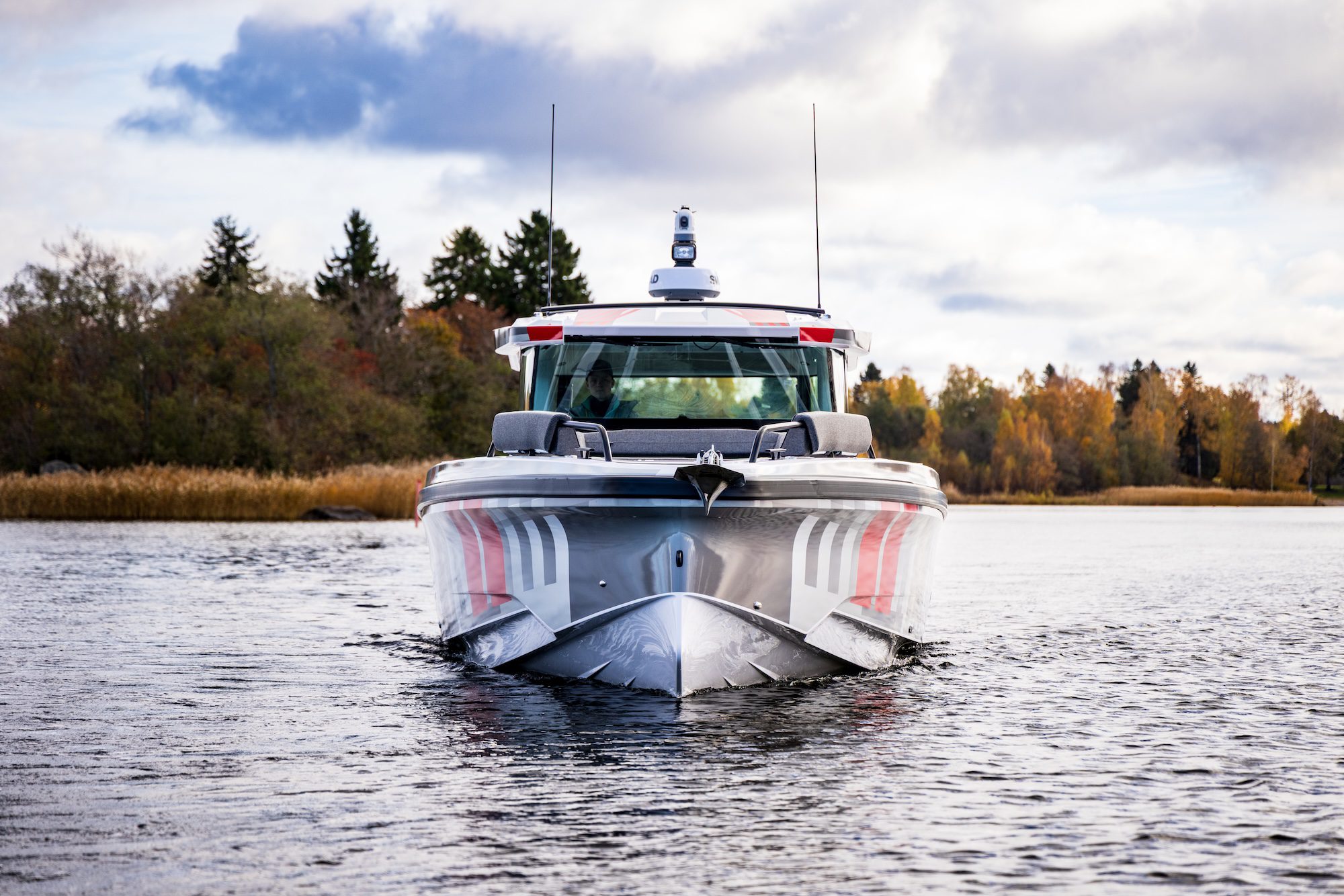
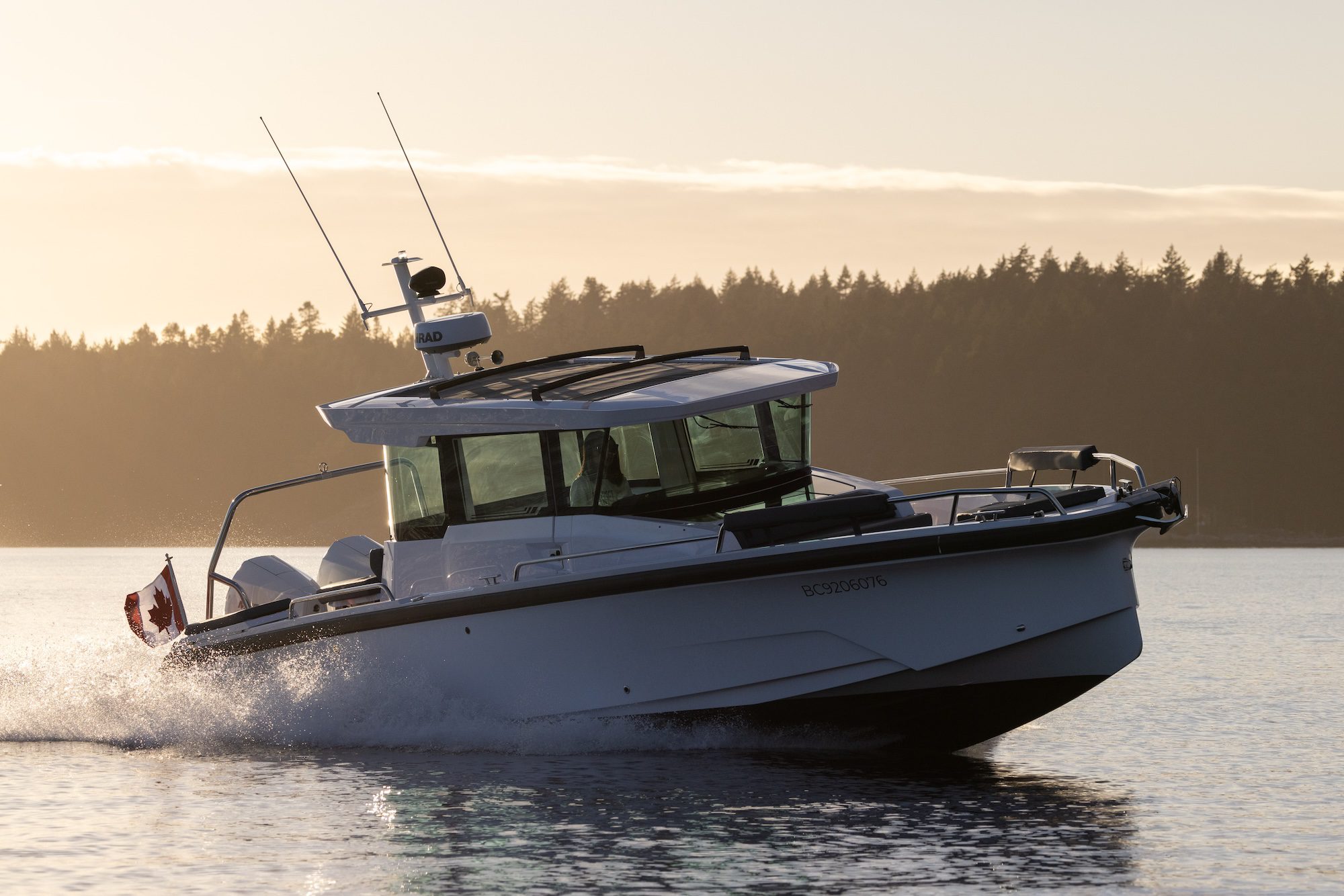
Brands like Axopar have built their reputation on designing boats that require significantly less energy to move through the water in the first place. Their twin-stepped hulls are engineered to reduce drag, improve balance, and maximise lift, meaning the boat isn’t pushing unnecessary weight or resistance as it travels. In real terms, that translates to around 20 to 30 percent lower fuel consumption compared to other boats of a similar size.
It’s a shift in thinking. Rather than relying on bigger engines to compensate for inefficient design, the focus is on doing more with less. And in a climate where every litre counts, that kind of efficiency is becoming just as valuable as the move to electric itself.
Hybrid Boats Are Bridging the Gap
If electric is where boating is heading, hybrid boats are what make sustainable boating practical right now.
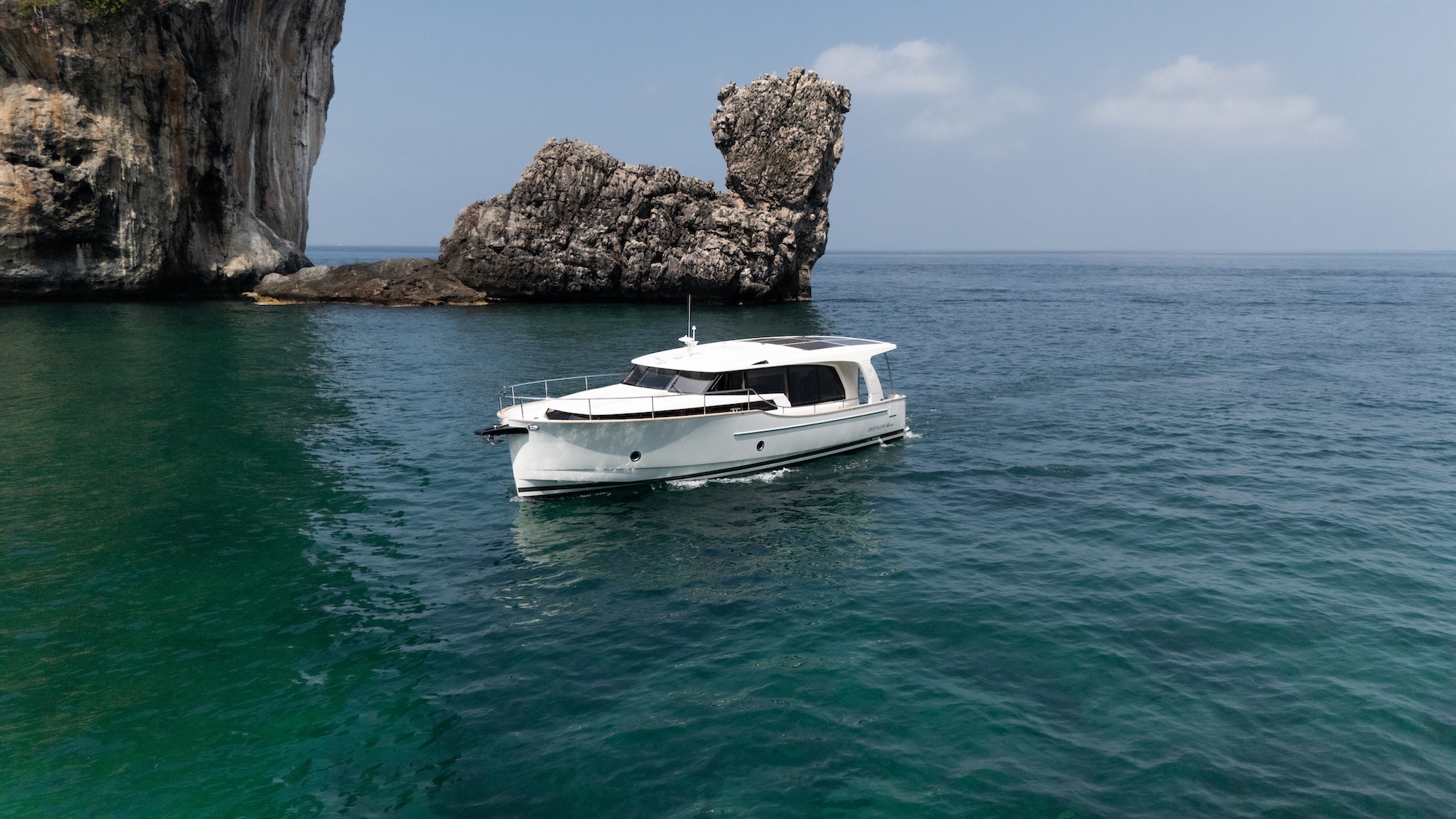
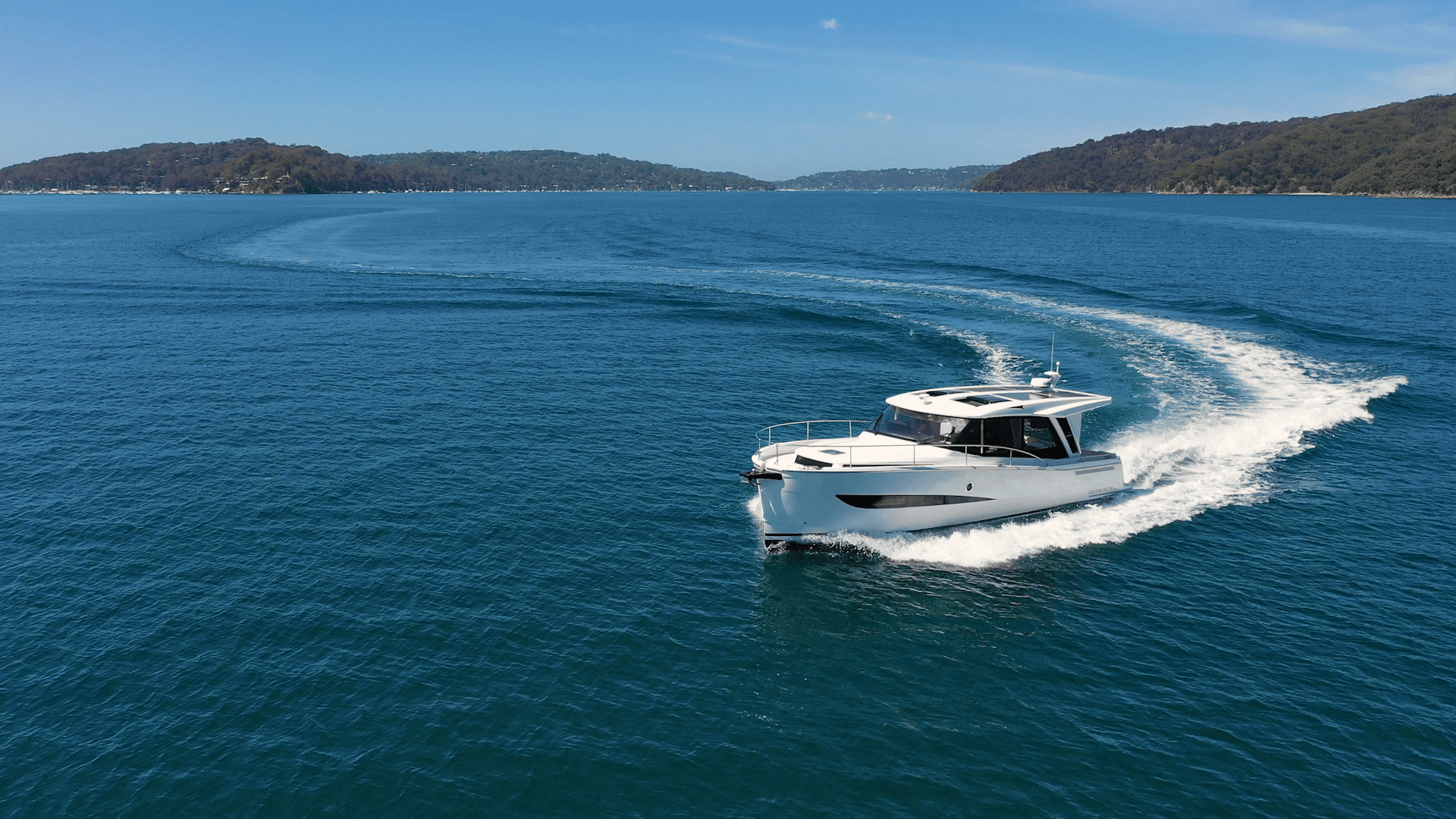
And few brands have embraced that space more completely than Greenline Yachts.
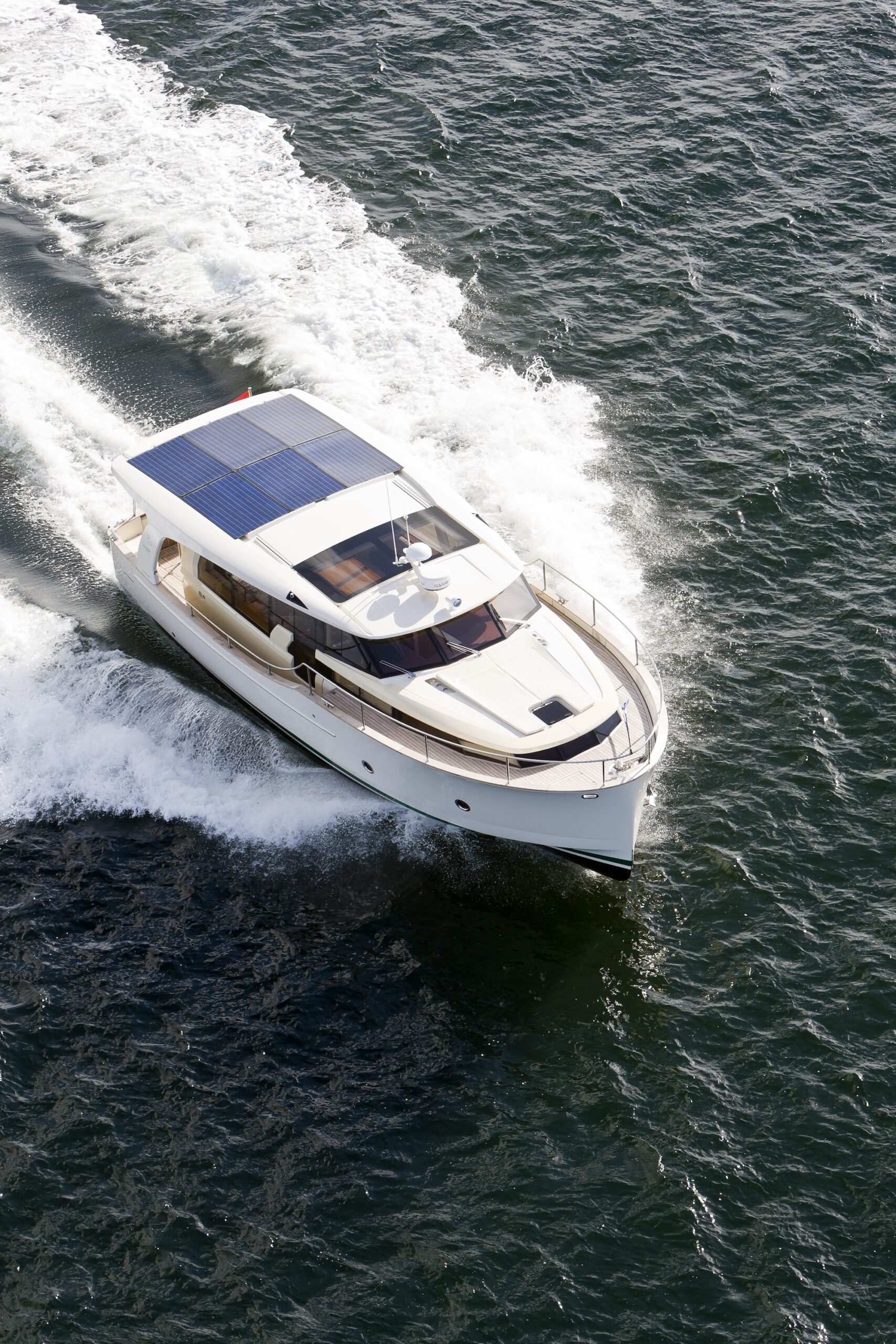
Since 2008, Greenline has been refining hybrid propulsion systems, now into their sixth generation. Long before sustainability became a mainstream industry focus, the company was developing yachts around quieter cruising, lower fuel burn, and greater onboard independence.
The concept is simple, but highly effective.
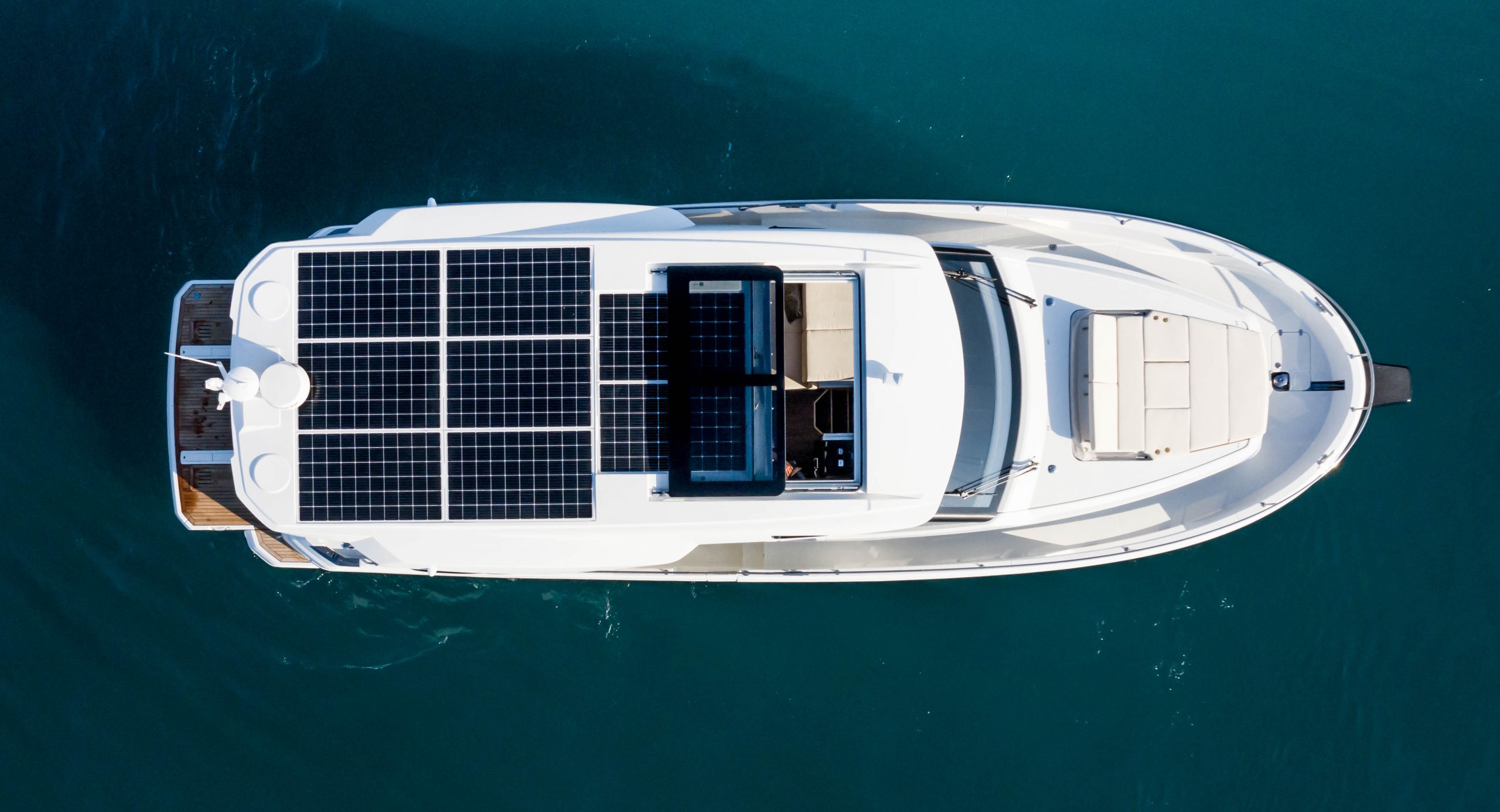
Cruise silently on electric power when conditions suit, then switch to diesel for longer distances or higher cruising speeds. Large lithium polymer battery banks are continuously recharged via integrated solar panels, shore power, or the engine underway, giving owners multiple ways to stay powered and self-sufficient on the water.
That changes the onboard experience dramatically.
You can leave a marina early in near silence. Cruise efficiently for hours. Anchor overnight and continue running refrigeration, lighting, air conditioning, cooking appliances, and charging systems without the constant hum of a generator in the background.
For many owners, that quiet independence becomes the biggest luxury of all.
The Future of Sustainable Boating
What’s happening now isn’t a sudden disruption. It’s an evolution that has been building for years, accelerated by changing technology, rising fuel concerns, and shifting expectations around sustainability.
The conversation is no longer whether sustainable boating is coming.
It’s how quickly the industry, and boaters themselves, adapt to it.
At Eyachts, we’ve been pushing toward more efficient, forward-thinking boating since 2006. From introducing some of Australia’s earliest electric day boats to backing high-performance electric and hybrid technologies, our focus has never been about following trends, it’s been about supporting practical innovation that genuinely improves the boating experience.
For those rethinking how they boat, whether through electric boats, hybrid boats, or simply more fuel efficient boats, the conversation has already begun.
Frequently Asked Questions About Sustainable Boating
What is sustainable boating?
Sustainable boating refers to reducing the environmental impact of boating through more efficient hull design, lower fuel consumption, electric or hybrid propulsion, renewable energy systems like solar, and smarter onboard energy management.
Are electric boats practical in Australia?
Electric boats are becoming increasingly practical in Australia, particularly for harbour cruising, day trips, and short coastal runs. As charging infrastructure continues to expand and battery technology improves, electric boating is becoming more viable for everyday use.
What is a hybrid boat?
A hybrid boat combines electric propulsion with a traditional diesel engine. This allows owners to cruise silently on electric power when conditions suit, while still having the range and flexibility of diesel for longer journeys.
What are the benefits of a hybrid boat?
Hybrid boats like Greenline Yachts offer quieter cruising, lower fuel consumption, reduced emissions, less reliance on generators, and greater onboard independence through battery and solar systems.
How do electric boats charge?
Electric boats can be charged through shore power at marinas, private dock charging systems, onboard solar panels, or regenerative charging systems depending on the boat and setup.
Are there electric boat chargers in Australia?
Yes. Australia’s electric marine infrastructure is growing. Marinas and private docks are beginning to install charging systems, with companies like Seavolt and d’Albora Marinas expanding fast-charging networks across NSW, QLD, and VIC.
What is the most fuel efficient boat hull design?
Efficient hull designs vary depending on boat type, but twin-stepped hulls like seen on Axopar boats and semi-displacement hulls as seen on Greenline Yachts are widely recognised for reducing drag and improving fuel efficiency. These designs help boats travel further using less energy.
Are hybrid yachts worth it?
For many owners, hybrid yachts offer the best balance between efficiency, comfort, and flexibility. They allow quieter cruising, lower operating costs, and greater self-sufficiency onboard without sacrificing range.
Can a boat run without a generator?
Many modern hybrid yachts can operate without running a generator for extended periods. Integrated solar panels, lithium battery banks, and intelligent energy systems allow onboard appliances and systems to operate quietly at anchor.
What is the future of boating in Australia?
The future of boating in Australia is expected to include greater adoption of electric propulsion, hybrid systems, fuel efficient hulls, solar integration, and smarter onboard energy management as owners seek quieter, more efficient, and more sustainable ways to enjoy the water.