
Axopar 38 Design Explained: How this Adventure Boat is Standing Apart in a Sea of Imitators
How this modular walkaround boat is staying in it’s own lane and continuing to lead the adventure boat market
Part 2
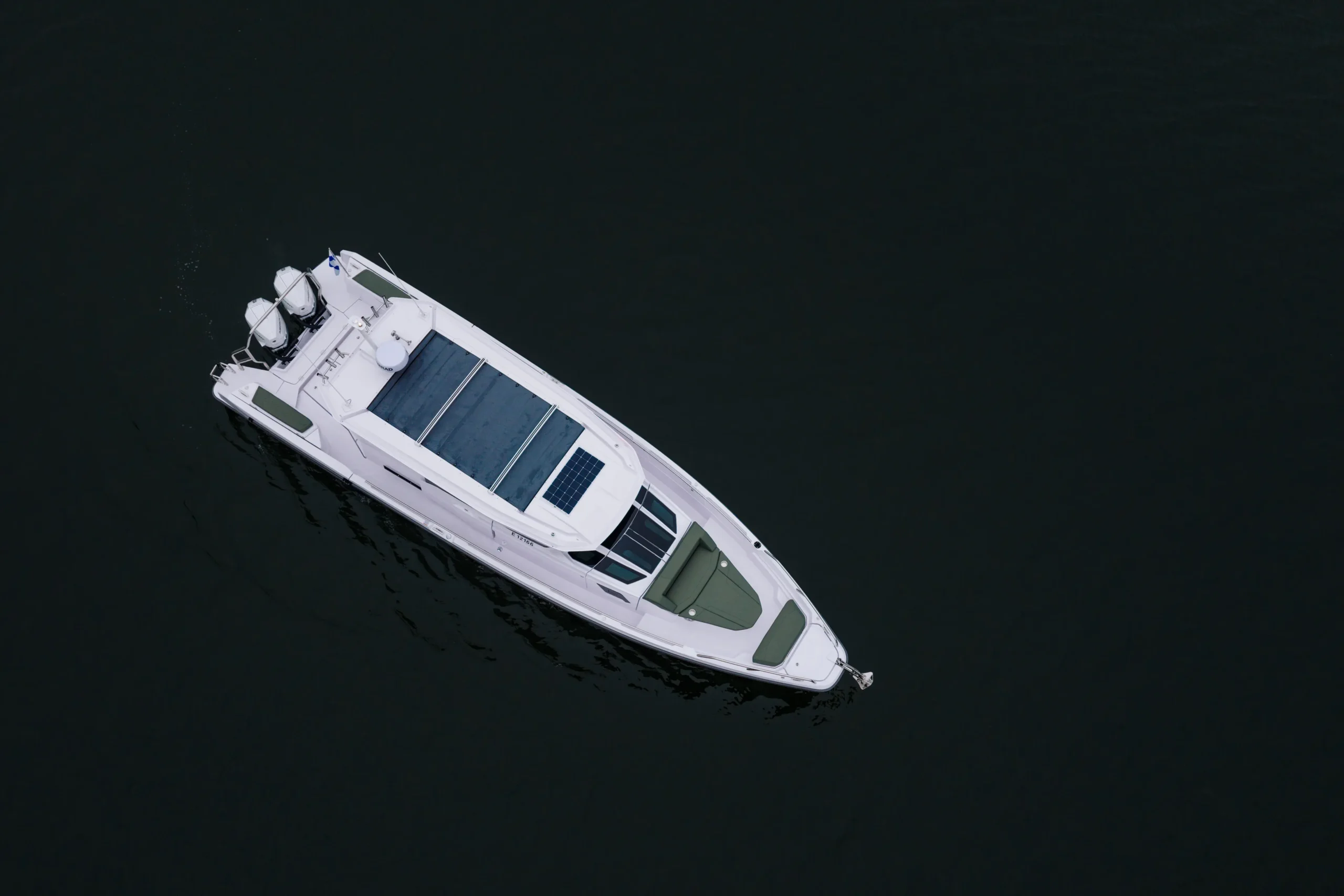
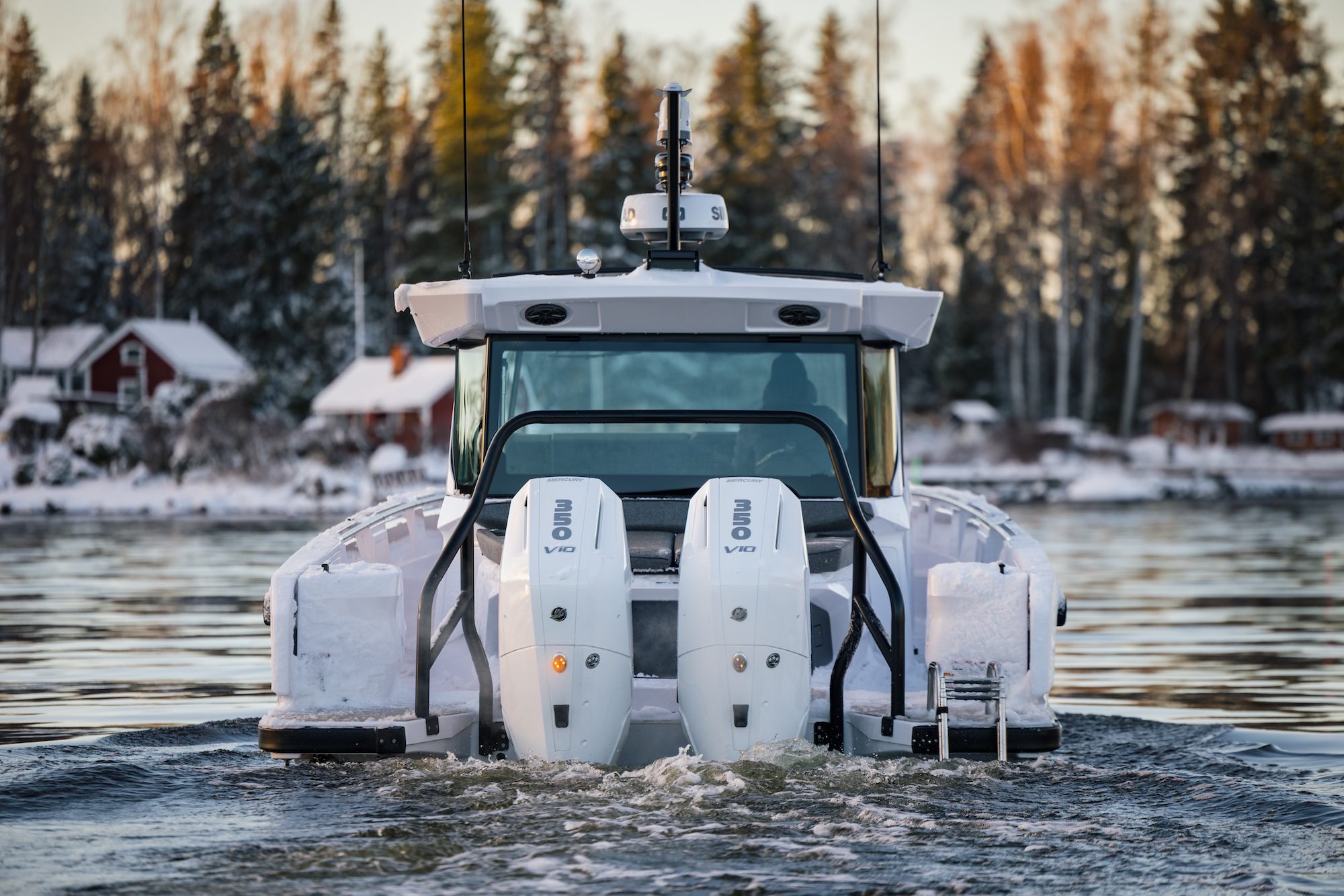
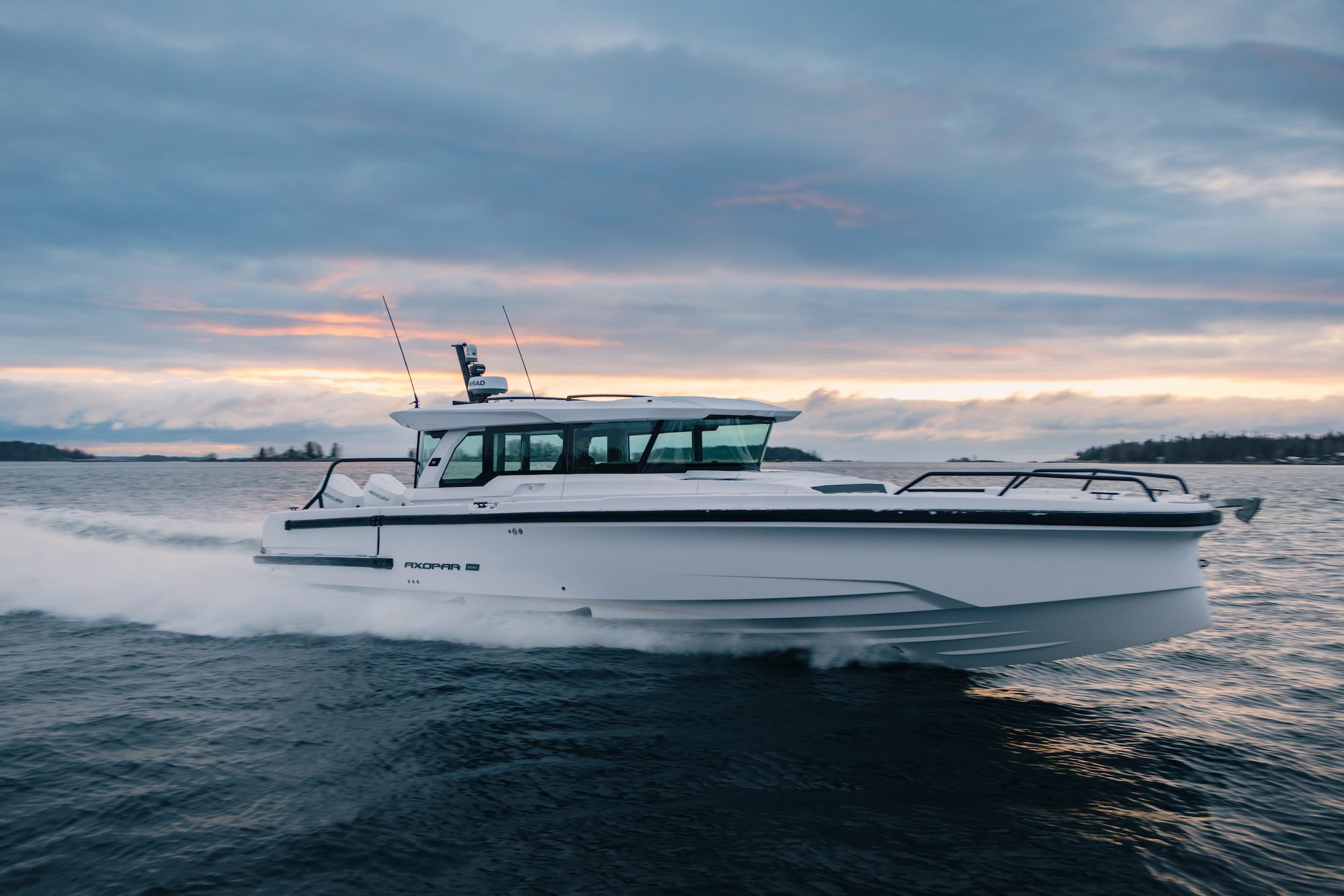
At first glance, the new Axopar may look familiar. But the story of the Axopar 38 design goes far beyond styling. Beneath the recognizable silhouette lies a philosophy built on purposeful design, careful engineering and a refusal to take shortcuts.
Where many modern boats compete through visual drama or headline features, Axopar focuses on something more fundamental: creating a walkaround adventure boat where every component serves a clear purpose. The result is a highly versatile 38ft boat that balances usability, performance and intelligent onboard design.
The Axopar 38 was not developed to simply follow trends. Instead, the design team set out to refine what already worked, improve the experience on board and ensure that every feature added genuine value.
Through conversations with Jan-Erik Viitala and Jarkko Jämsén, the philosophy behind the new generation becomes clear. The Axopar 38 is not about adding more features. It is about designing better ones.
Why does Axopar still follow the rule “form follows function”?
One of the clearest themes behind the Axopar 38 design is restraint. While many modern boats compete on visual drama or complex systems, Axopar deliberately avoids unnecessary “bling” or gimmicks designed purely to impress at a boat show.
Instead, the philosophy remains grounded in usability, reliability and long-term practicality. The goal is not to create a boat that looks impressive at the dock, but one that works effortlessly in real conditions.
As Jan-Erik Viitala explains, the starting point is always the boating experience itself.
“The general principle of Axopar is to get people on the water and help customers have a good experience with friends and family. Boating is one of the most precious things you do, because it’s done in your free time. So we are dedicated and devoted to pushing innovation and new solutions forward, but never to do so in haste or to offer any solutions we don’t believe are long-term, easy to repair, and fixable anywhere in the world by anyone”
That philosophy shapes every design decision. Innovation is welcome, but only when it genuinely improves the experience of owning and using the boat.
“We make things that work.”
Why is simplicity so difficult in modern boat design?
Simplicity might sound easy, but in engineering terms it is often the hardest path to take.
Removing unnecessary complexity requires a deep understanding of how every system functions and how it can be improved without adding weight, maintenance or potential failure points.
As Jan-Erik explains:
“It’s ten times more difficult to make something simple than to make something very complex.”
This is why Axopar often pushes back against over-engineered solutions. The aim is not to remove innovation, but to refine it until the result is intuitive, durable and easy to maintain anywhere in the world.
Why does Axopar design boats that don’t rely on complexity?
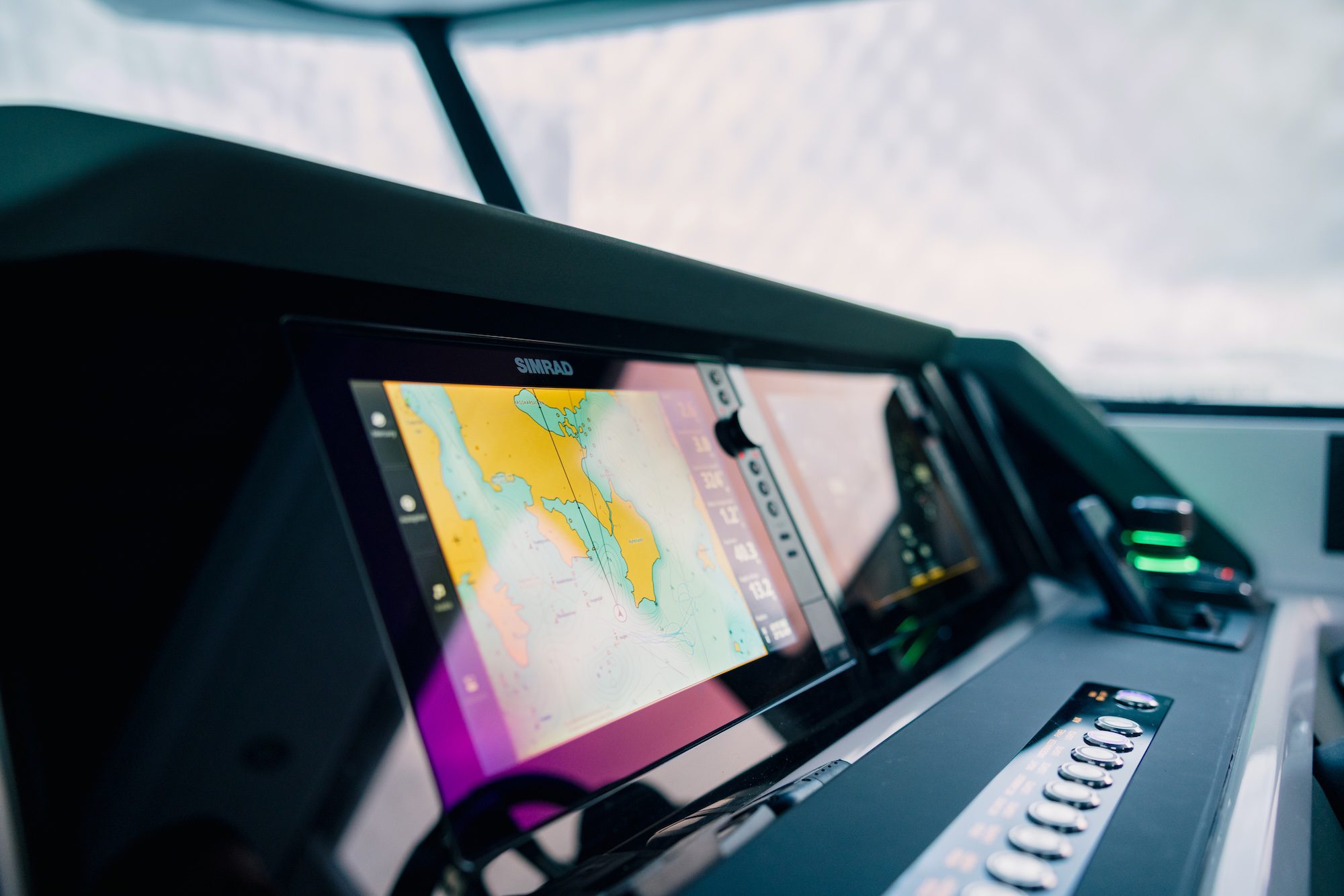
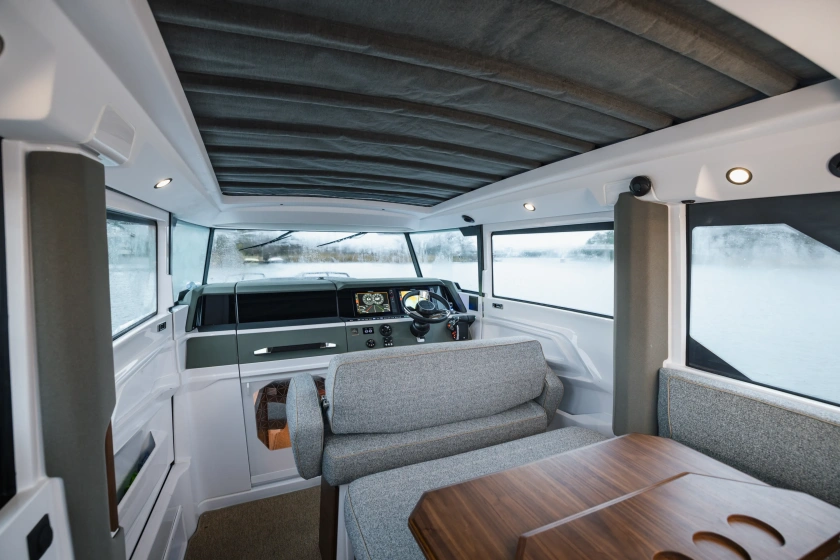
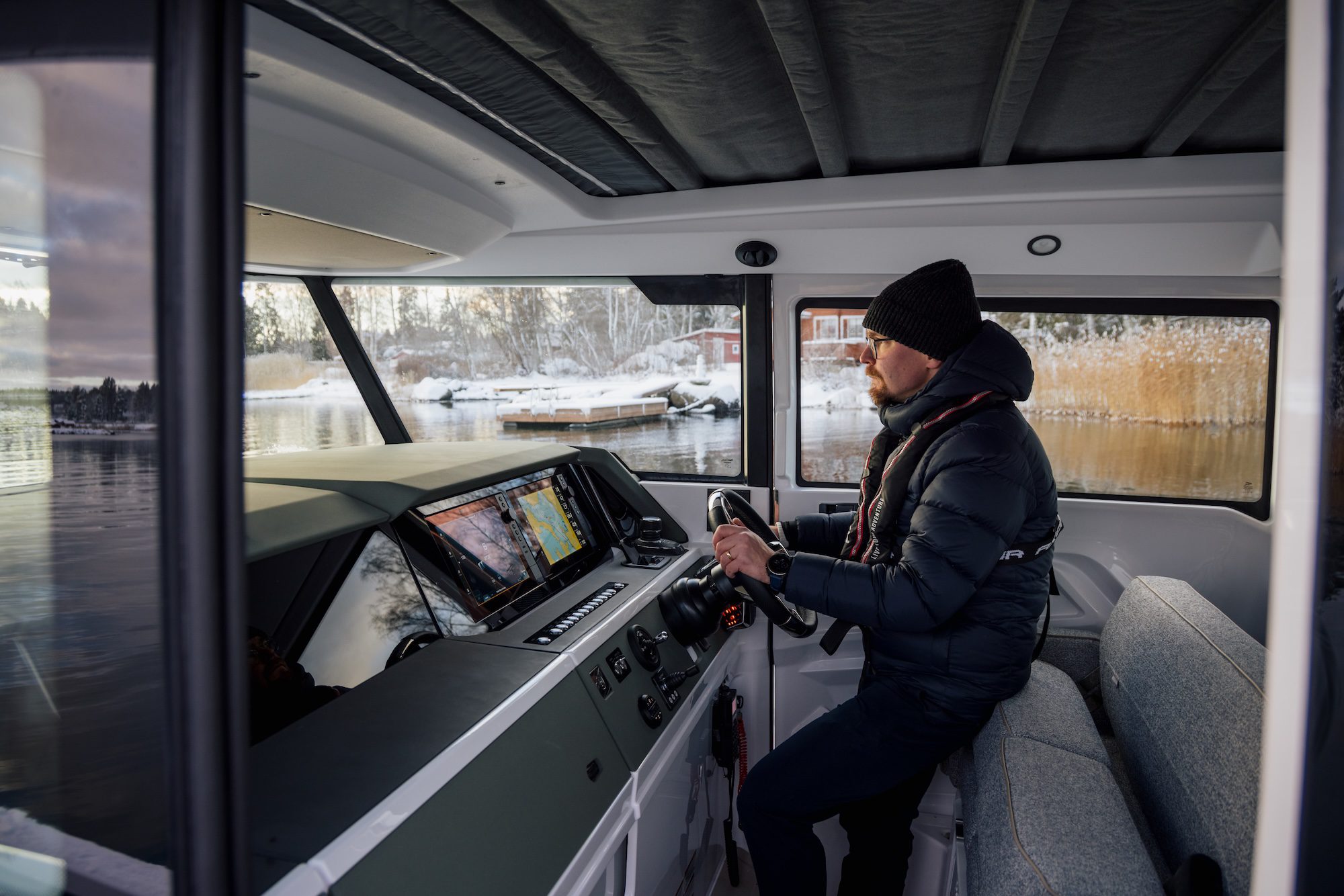
Many modern boats rely heavily on automated systems, electric actuators and complex mechanisms. While these features may look impressive at a boat show, they can also introduce unnecessary maintenance, weight and potential failure points.
Axopar takes a different approach. Instead of adding systems to solve problems later, the goal is to design the adventure boat correctly from the beginning.
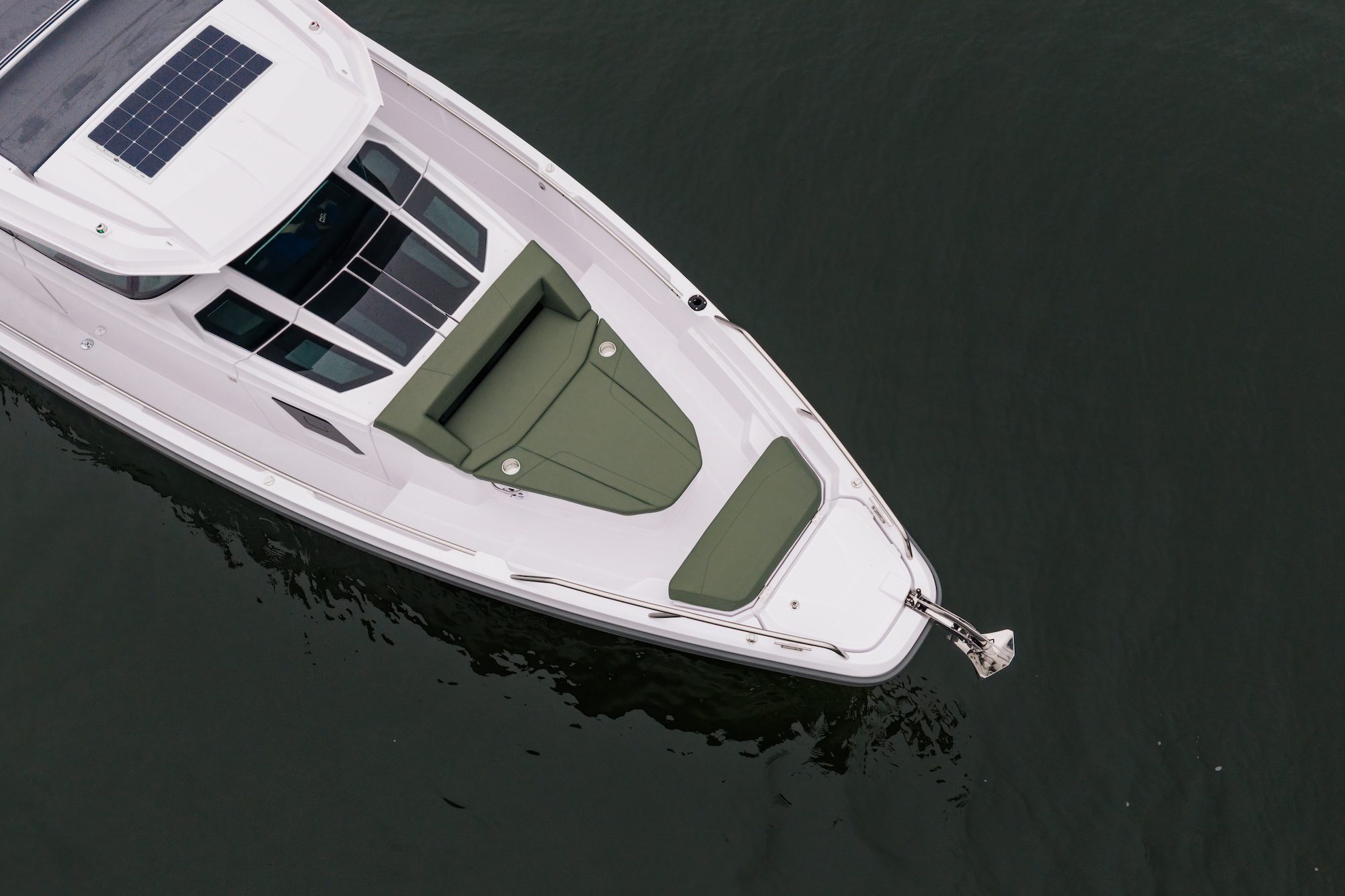
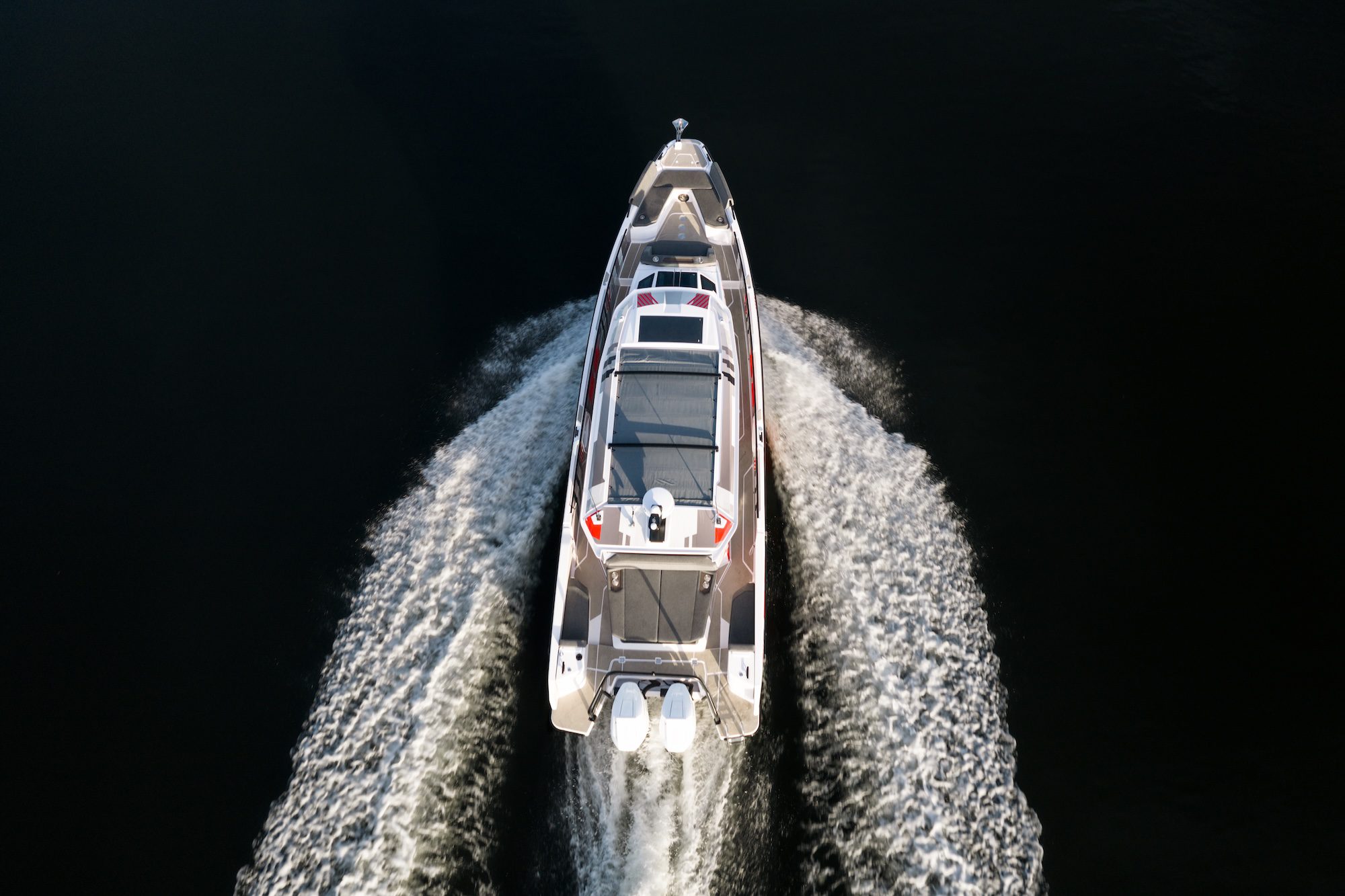
This starts with fundamentals such as hull balance, weight distribution and wind profile. The Axopar 38 design focuses on low weight, a low centre of gravity and a refined twin-stepped hull that provides natural stability and efficiency.
As Jan-Erik explains:
“The first design principle of an Axopar is actually the one that makes you not need a SeaKeeper or a gyro in the first place.”
Where possible, the brand favours simple mechanical solutions that owners can rely on anywhere in the world.
“Manual always works. This is a learning from sailboats. When you are out there on your own, you want to be capable and confident that you can do things yourself and make sure they work.”
The result is a boat that feels purposeful rather than over-engineered, staying true to Axopar’s philosophy of creating capable adventure boats that remain simple, dependable and enjoyable to use.
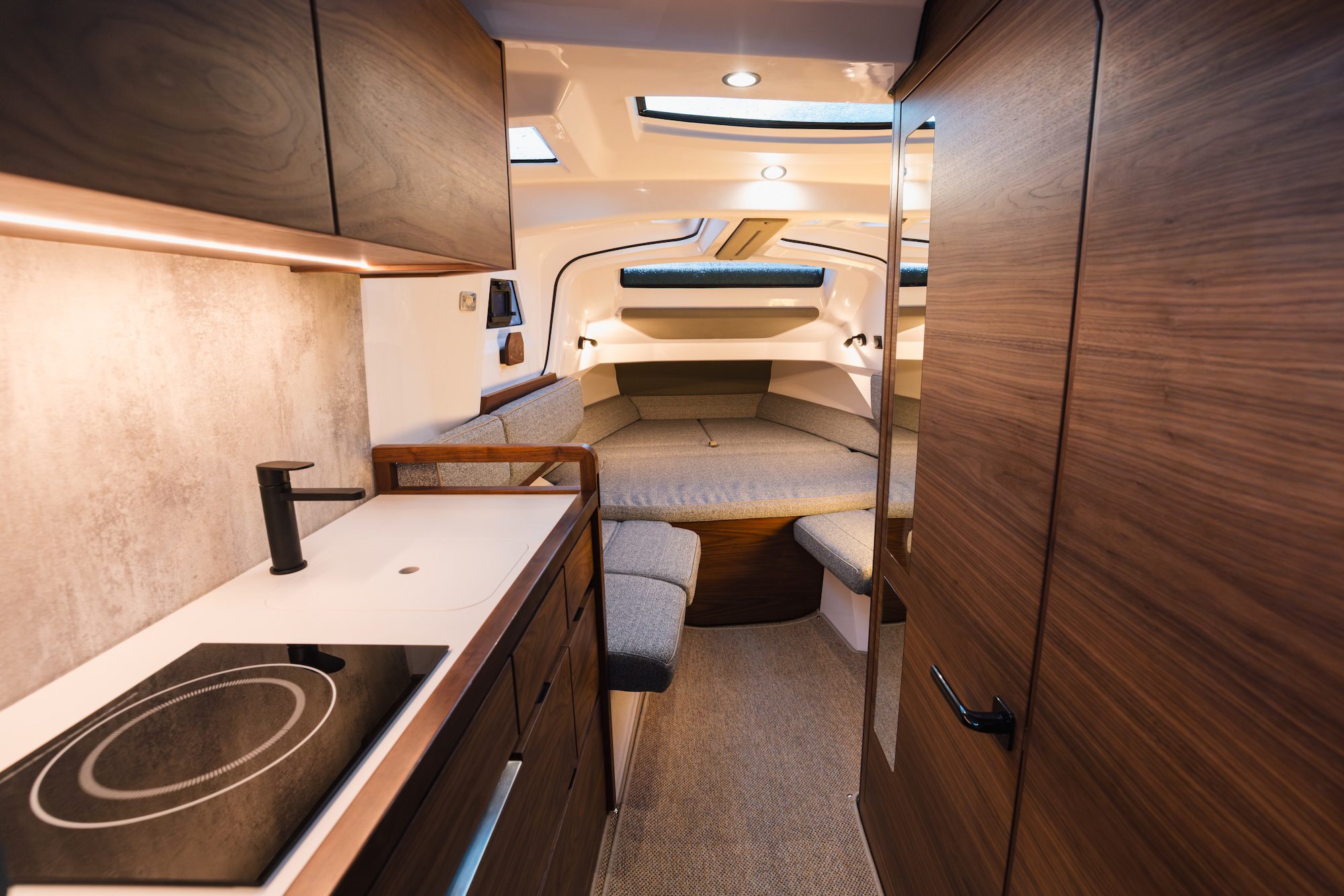
Has the Axopar 38 become more comfort-oriented and less sporty?
The Axopar 38 design has become more refined, but not at the expense of its core identity.
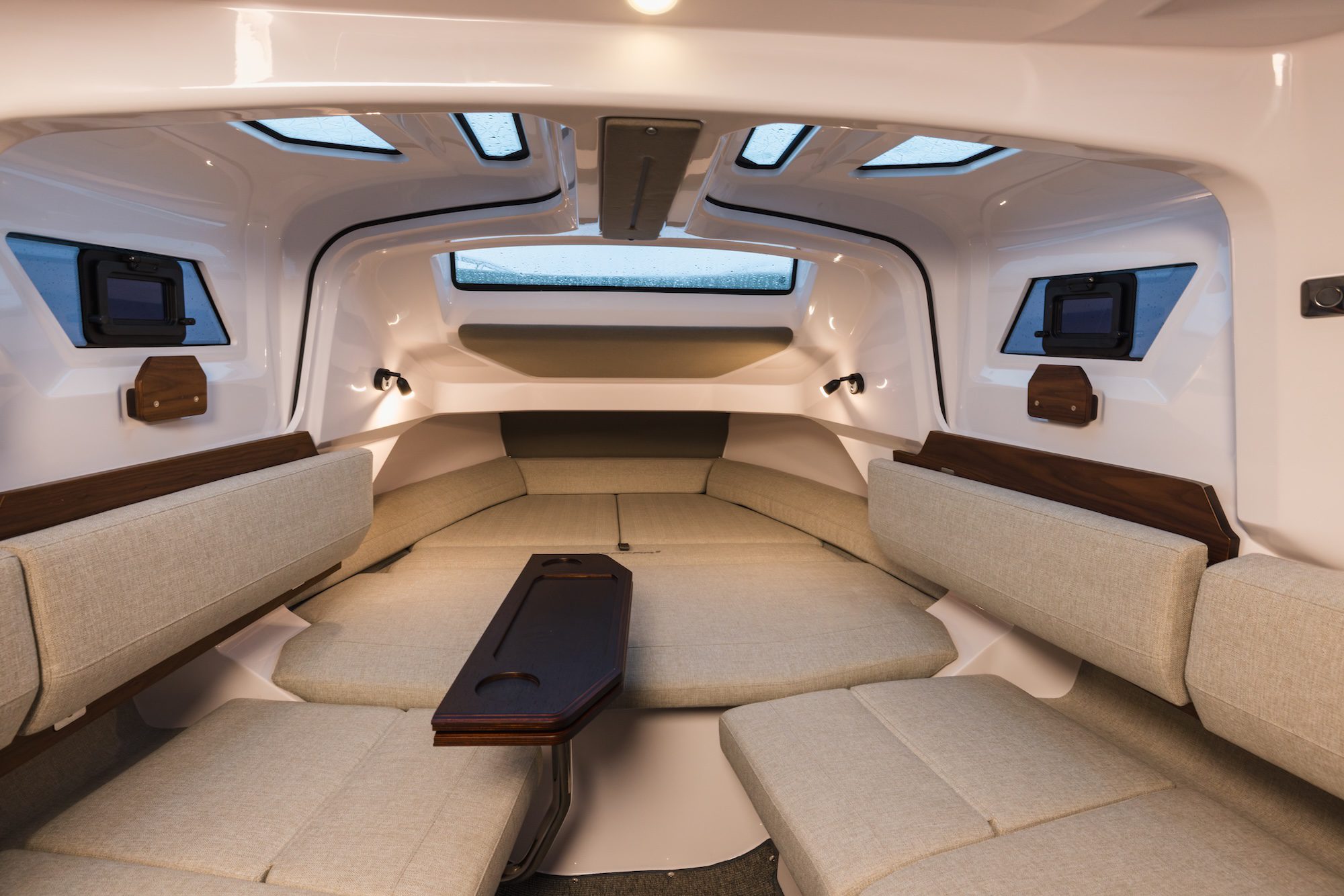
The challenge was to introduce more comfort while maintaining the compact proportions and performance expected from a modern 38ft adventure boat by Axopar.
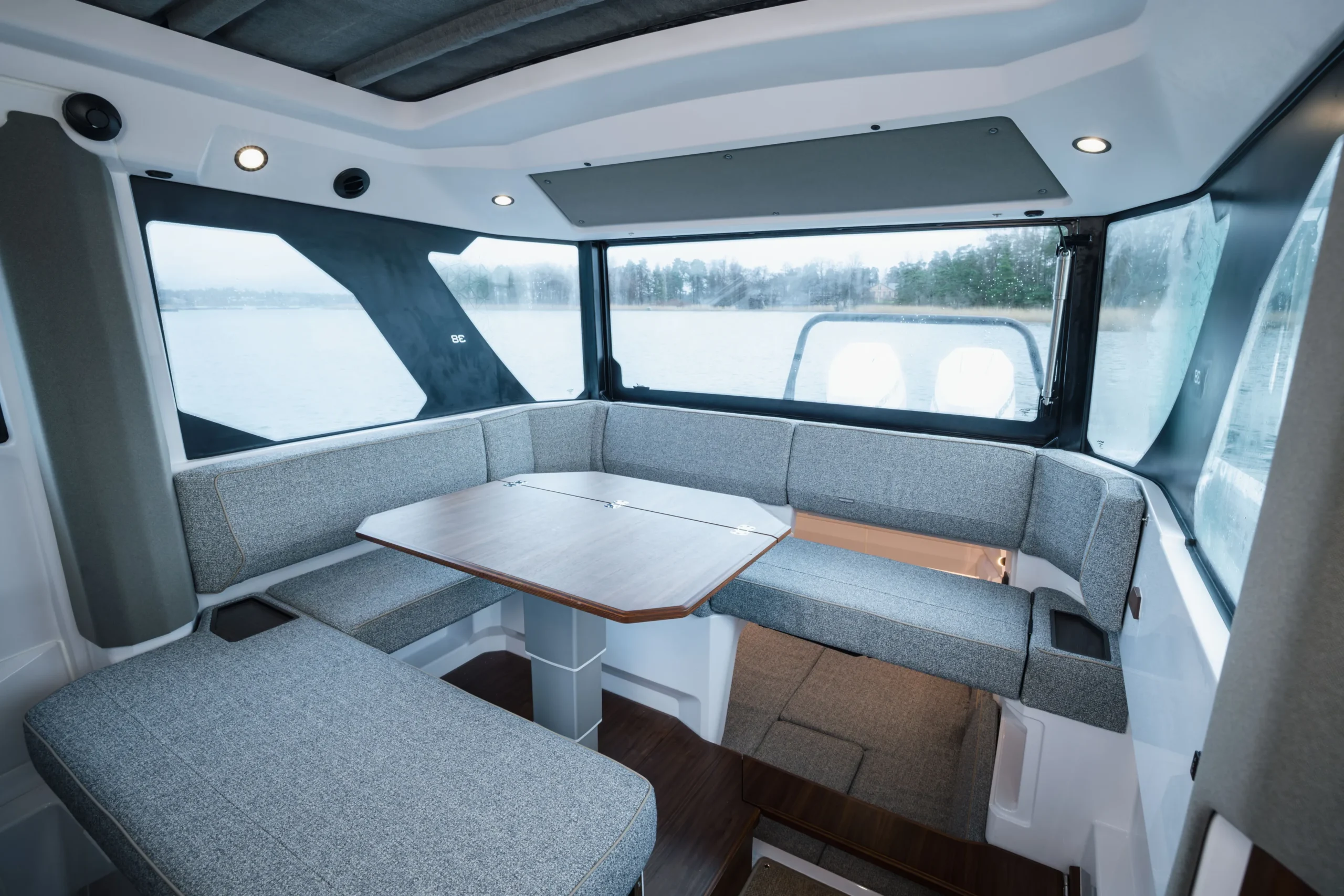
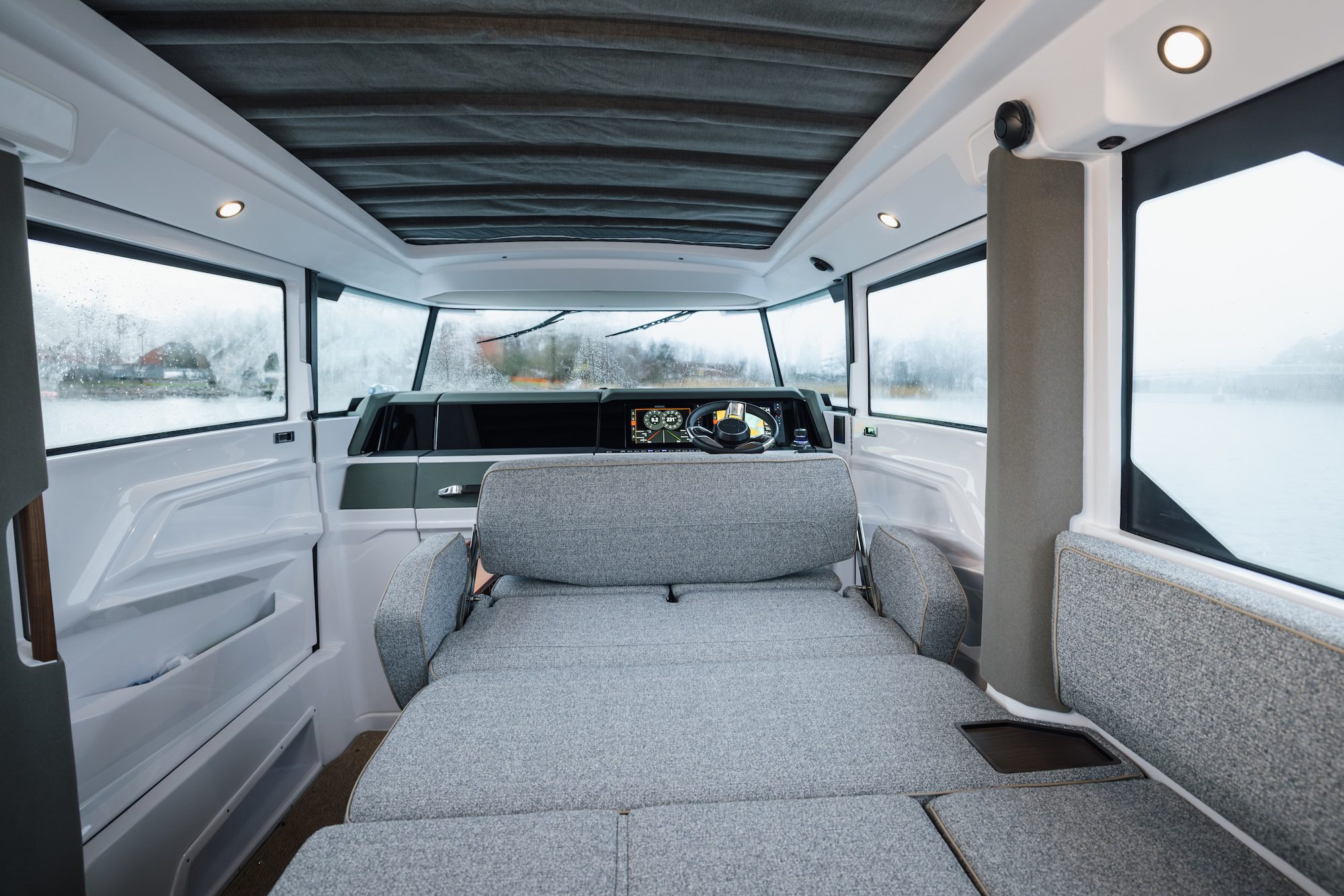
Rather than making the boat larger, the design team focused on improving how space is used.
As Jarkko explains:
“For us, we use the extra space not to increase the boat’s size, but to keep the boat small, competitive and put those luxury elements inside.”
Jan-Erik also links this philosophy to efficiency and sustainability.
“To make the same boat with 10, 15, 20 percent less materials saves weight and cost, while still delivering a high value product.”
The result is a walkaround boat that feels more liveable while remaining performance-focused.
Why is modularity such a major part of the Axopar 38 design?
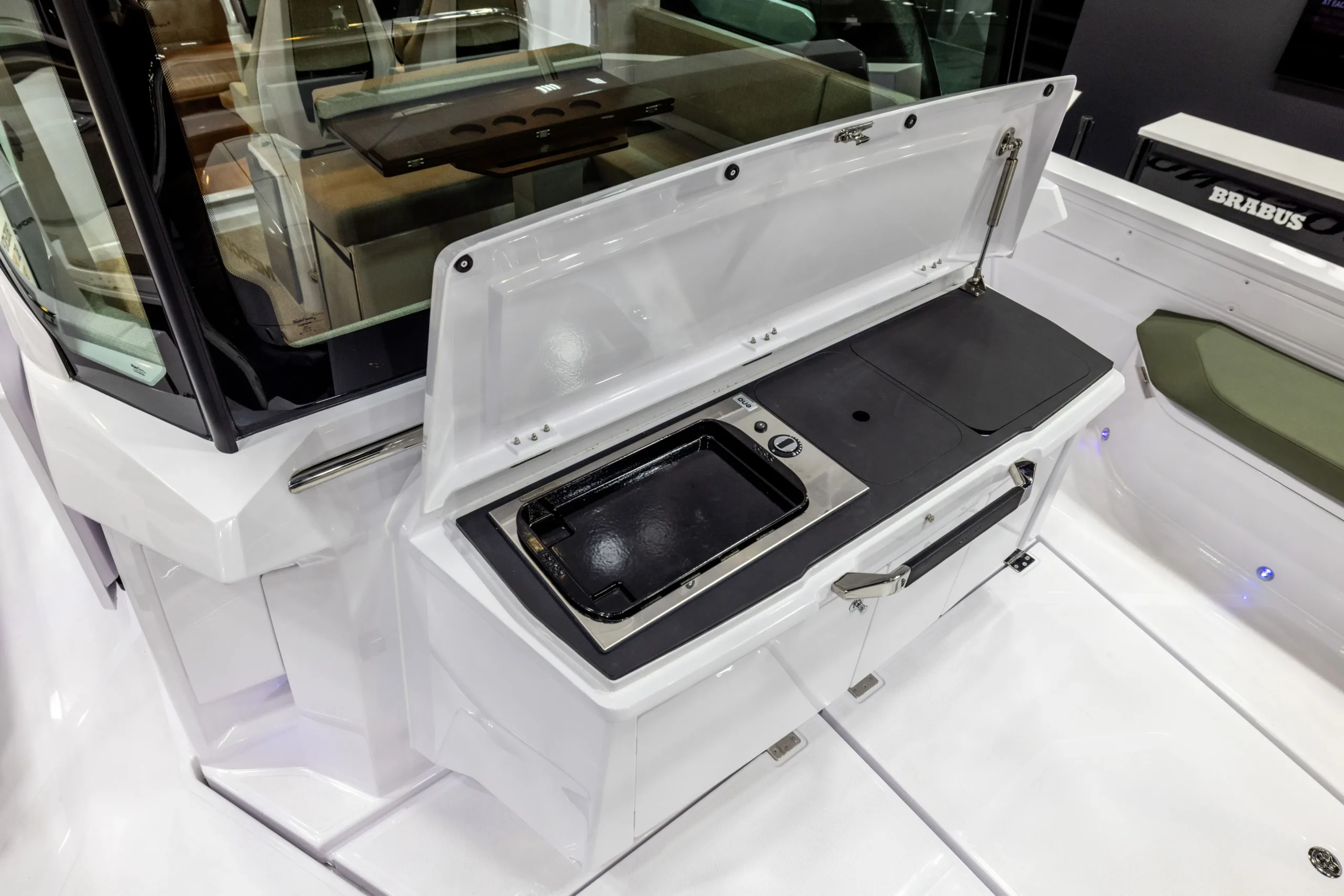
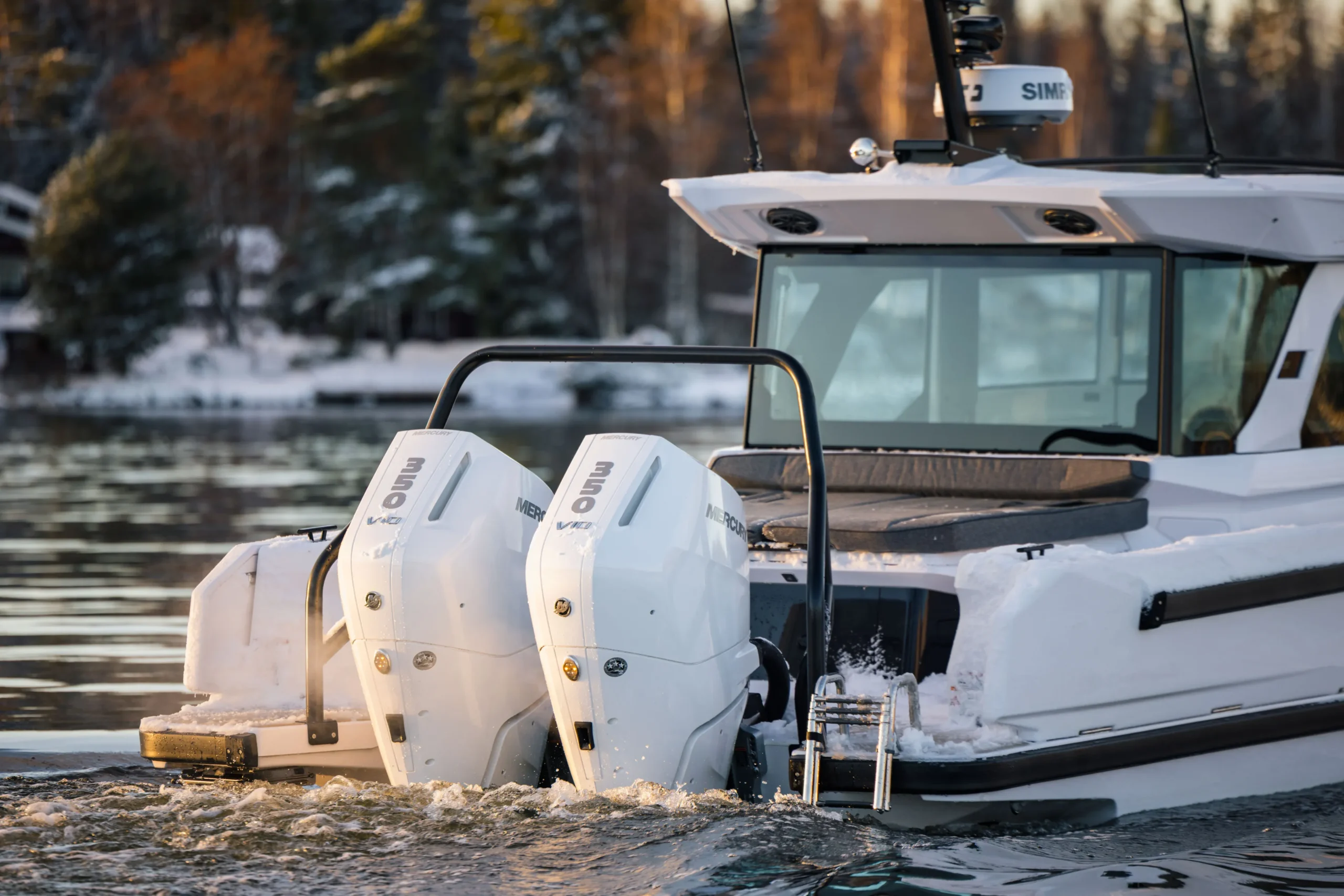
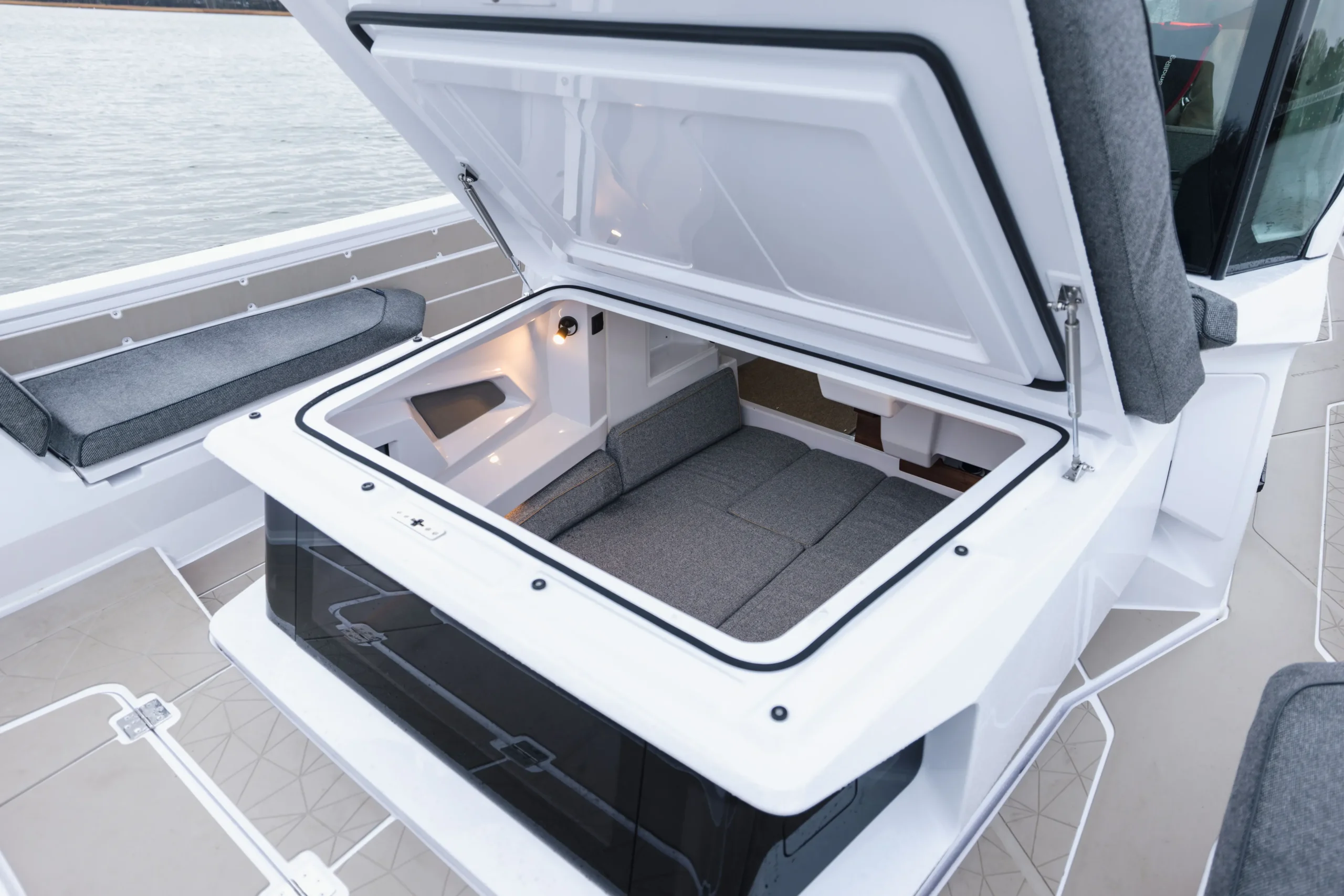
One of the defining strengths of the Axopar 38 design is its modularity.
The platform allows owners to configure the boat to suit different styles of boating, whether that means family cruising, offshore adventure or professional applications.
Jan-Erik describes the concept simply:
“The strength of an Axopar is the Swiss Army knife. The multi-purpose use that you can tailor to your own needs, in your own region of boating, to your preference.”
This flexibility is what makes the Axopar 38 a true modular boat, capable of adapting to different owners and different environments around the world.
Why is modularity so difficult to do well?
While modularity offers flexibility, it also introduces major engineering challenges.
Every module must integrate seamlessly with multiple versions of the boat while maintaining structural integrity and visual cohesion.
As Jarkko explains:
“When we do this kind of module build, all the modules can be taken in or out, but the boat must still look like one solid design.”
That is what separates a refined modular platform from one that simply looks like interchangeable parts.
Why does Axopar’s history matter when designing a modular boat?
Creating a truly cohesive modular boat takes years of development.
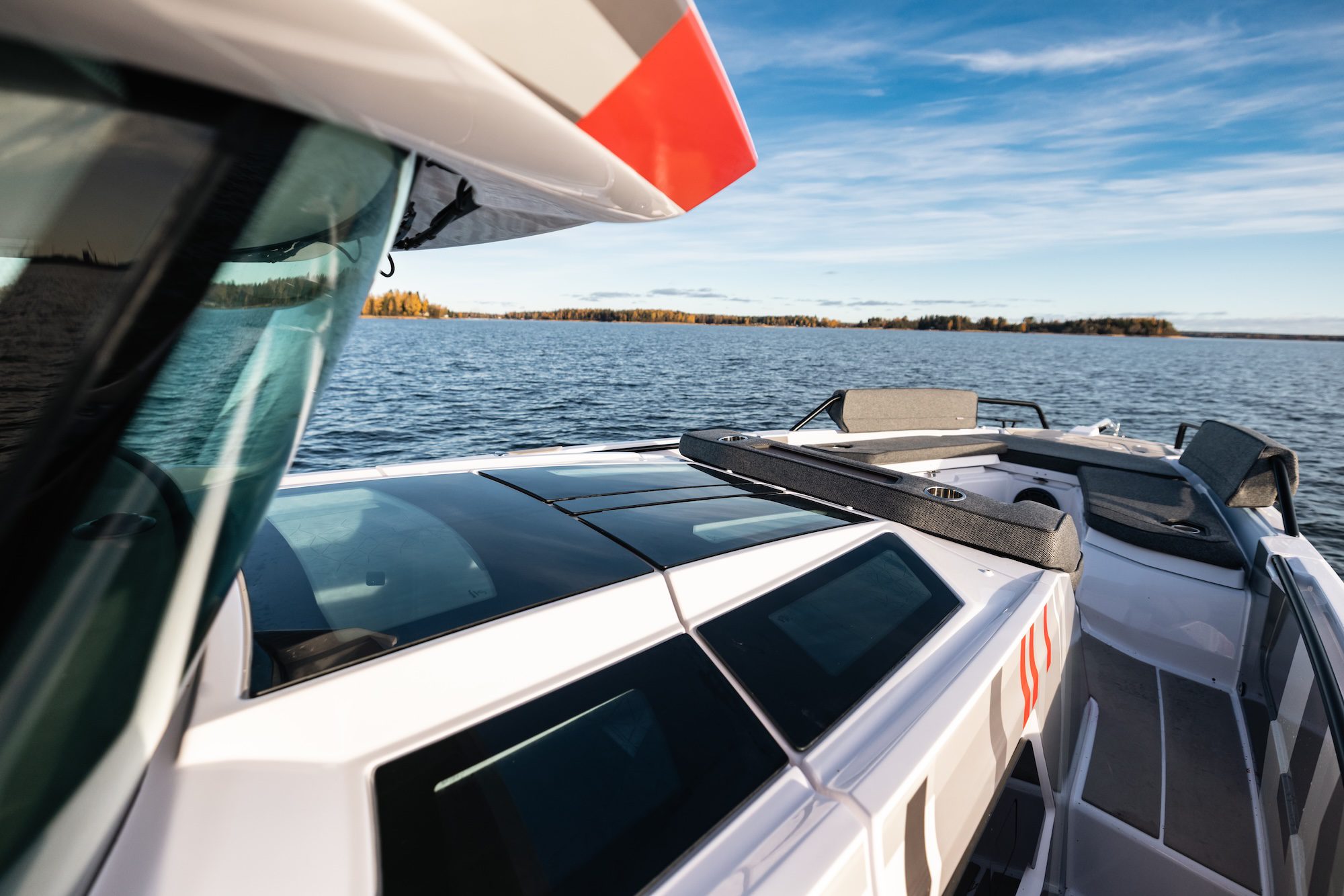
Each module in the Axopar 38 design must work across several configurations, including the Cross Cabin, Sun Top and Cross Top, all while maintaining clean design lines.
As Jan-Erik explains:
“If you go on the Axopar 38 you will not see the module lines. We have done extensive work to hide where we fix or modularize components so the customer never notices it.”
Behind the scenes, that integration requires complex engineering.
“One module must fit multiple deck variations. This is the culmination of 10–11 years of modularisation on Axopar.”
Without that experience, replicating the system would be extremely difficult.
“If someone tried to start from scratch, good luck. The boat would probably end up looking like it’s built from Lego blocks.”
What is different about the Axopar 38 activity platforms?
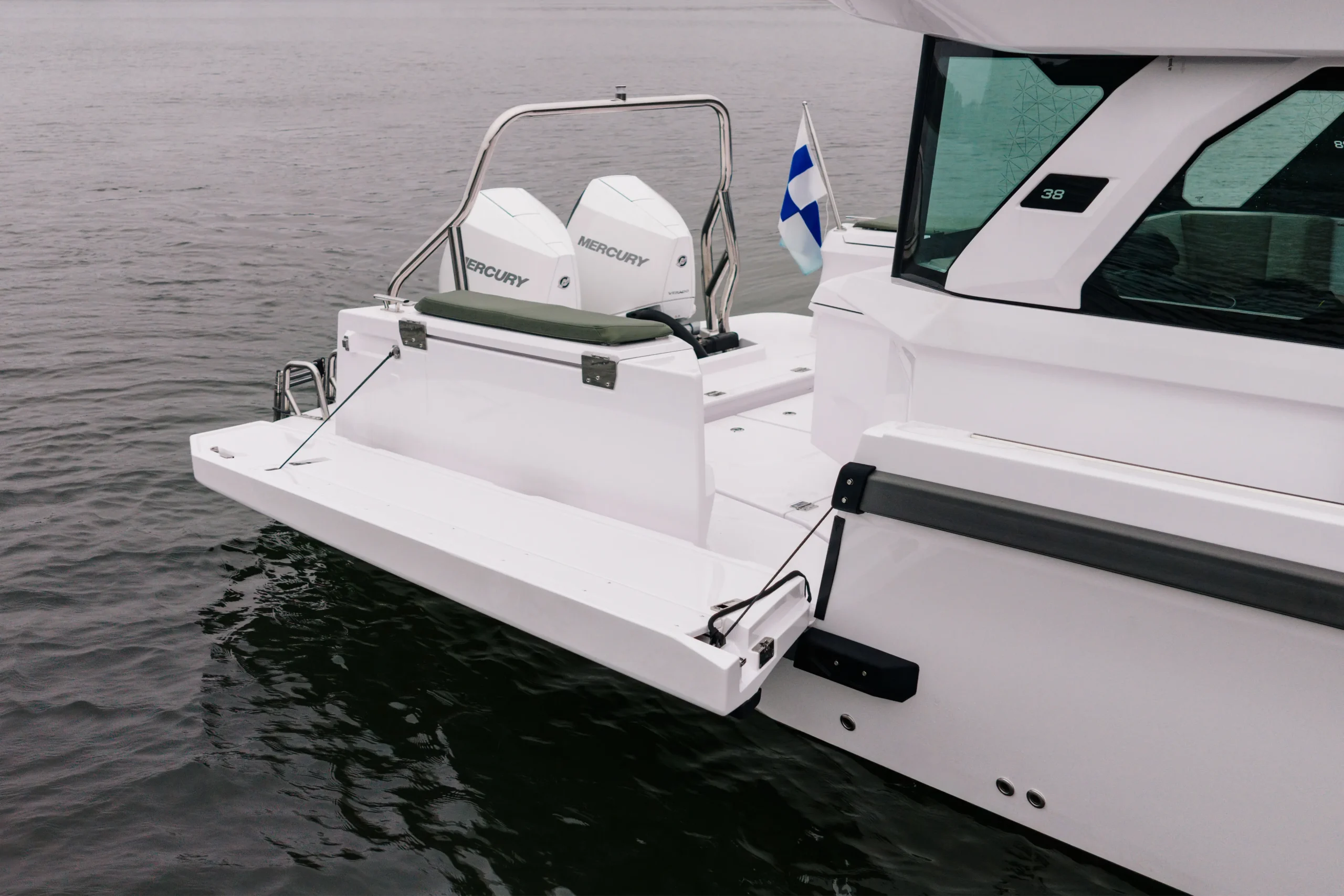
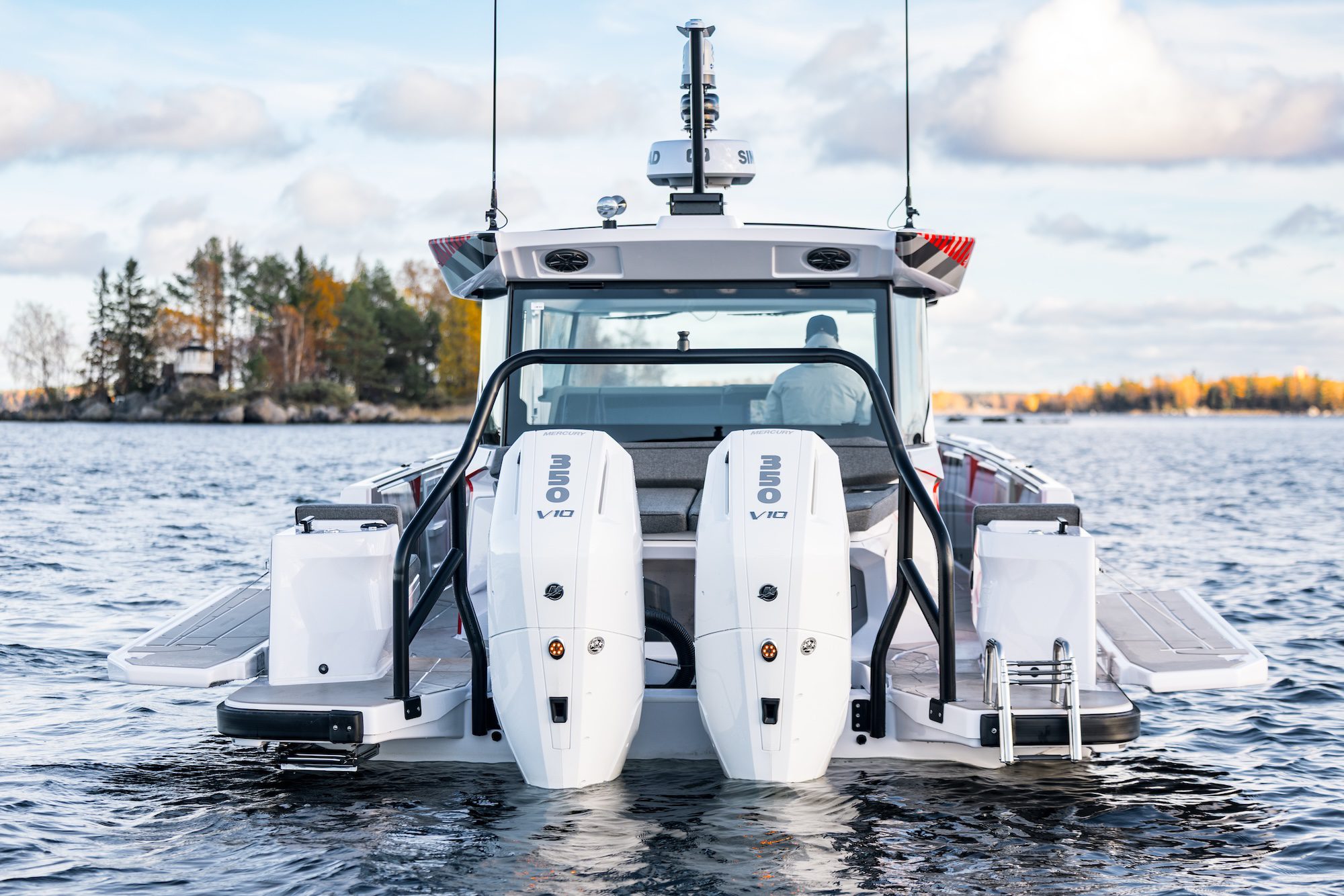
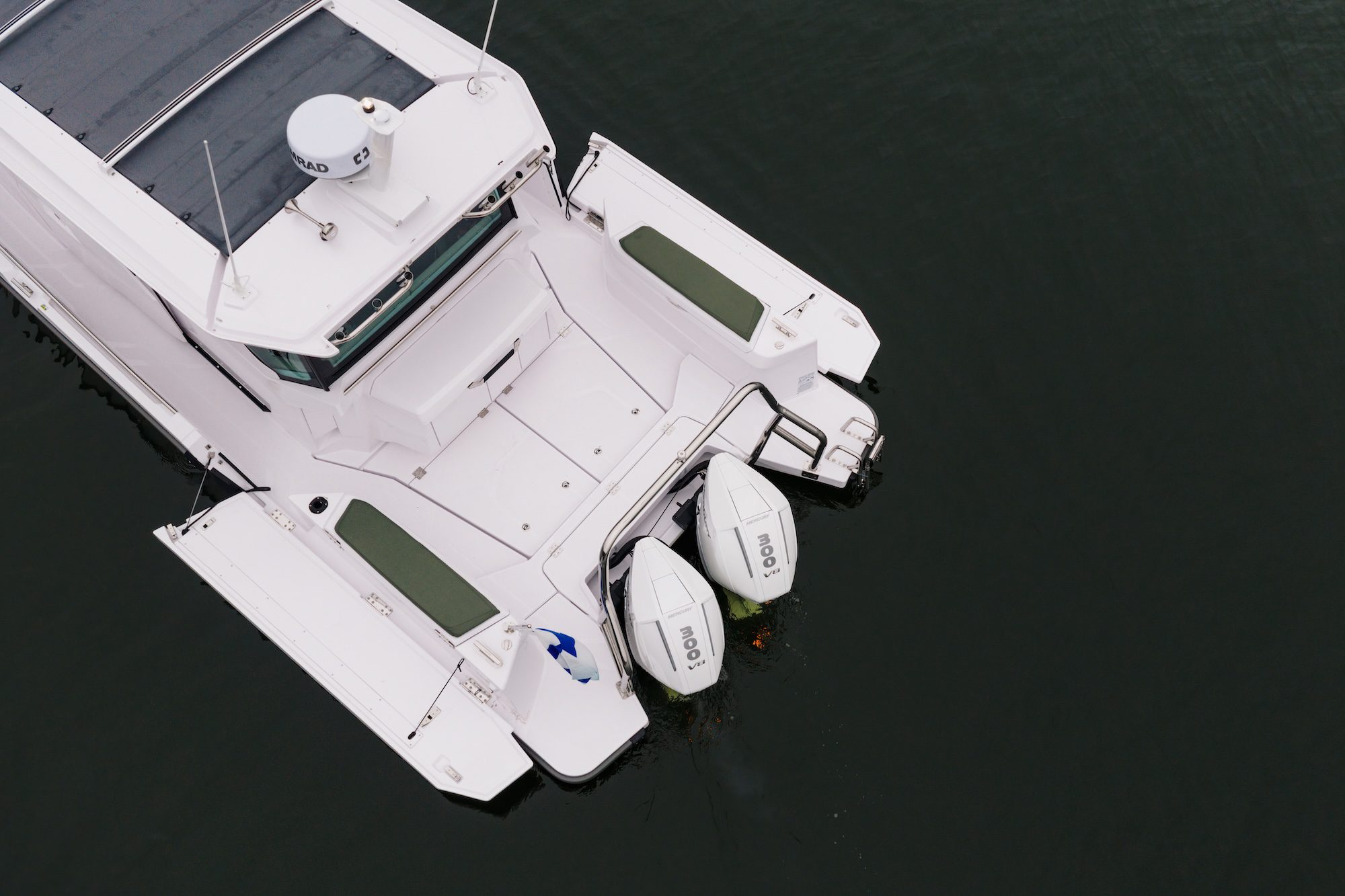
Fold-out side platforms are becoming a common trend across the industry, but Axopar approached the feature differently.
Instead of treating them as floating floor extensions, the designers focused on functionality and usability.
As Jarkko explains:
“When you open the balcony, you automatically get seating with it. So it’s not just extra space to walk on, it creates a useful social area. The thought process was can we do something that gives something beyond just a picture, but that would be easy to use.”
The design also avoids unnecessary complexity.
“We don’t want to create headaches or maintenance issues, which is why they are manual. Taking it above the waterline also helps avoid slamming forces from waves and wash.”
Jan-Erik adds another important consideration.
“Standing on the extremity of a boat where you have the biggest roll is not really a natural place to stand.”
The result is a feature that looks simple but has been carefully engineered to work safely and reliably.
Is the Axopar 38 design driven by customer feedback?
The development of the Axopar 38 was not a top-down design exercise. Feedback from owners, dealers and real-world boating experiences played a major role.
As Jan-Erik explains:
“Customer feedback and being close to our customers is critical for us to understand what they want to see improved.”
That insight helps guide the evolution of each new generation.
Why does Axopar focus on improving its own boats rather than competitors?
Rather than reacting to competitors, Axopar focuses on constant internal improvement.
The philosophy is simple: become better today than yesterday.
“We really don’t look at what competitors are doing. We focus on becoming better today than we were yesterday,” says Jan-Erik.
This mindset drives continuous refinement across the entire Axopar 38 design.
“I have nothing against competition. As long as we improve people’s experiences on the water, and we create more boaters.”
Why does specialisation matter in the adventure boat category?
Another key reason the Axopar 38 remains unique is the brand’s focus on a single segment: adventure boats.
While many manufacturers spread their efforts across multiple boat categories, Axopar concentrates on refining one concept.
Viitala emphasises, “We only do adventure boats. That’s what we do. That’s our core.”
That focus allows the team to continually improve performance, usability and modular flexibility within the adventure boat category.
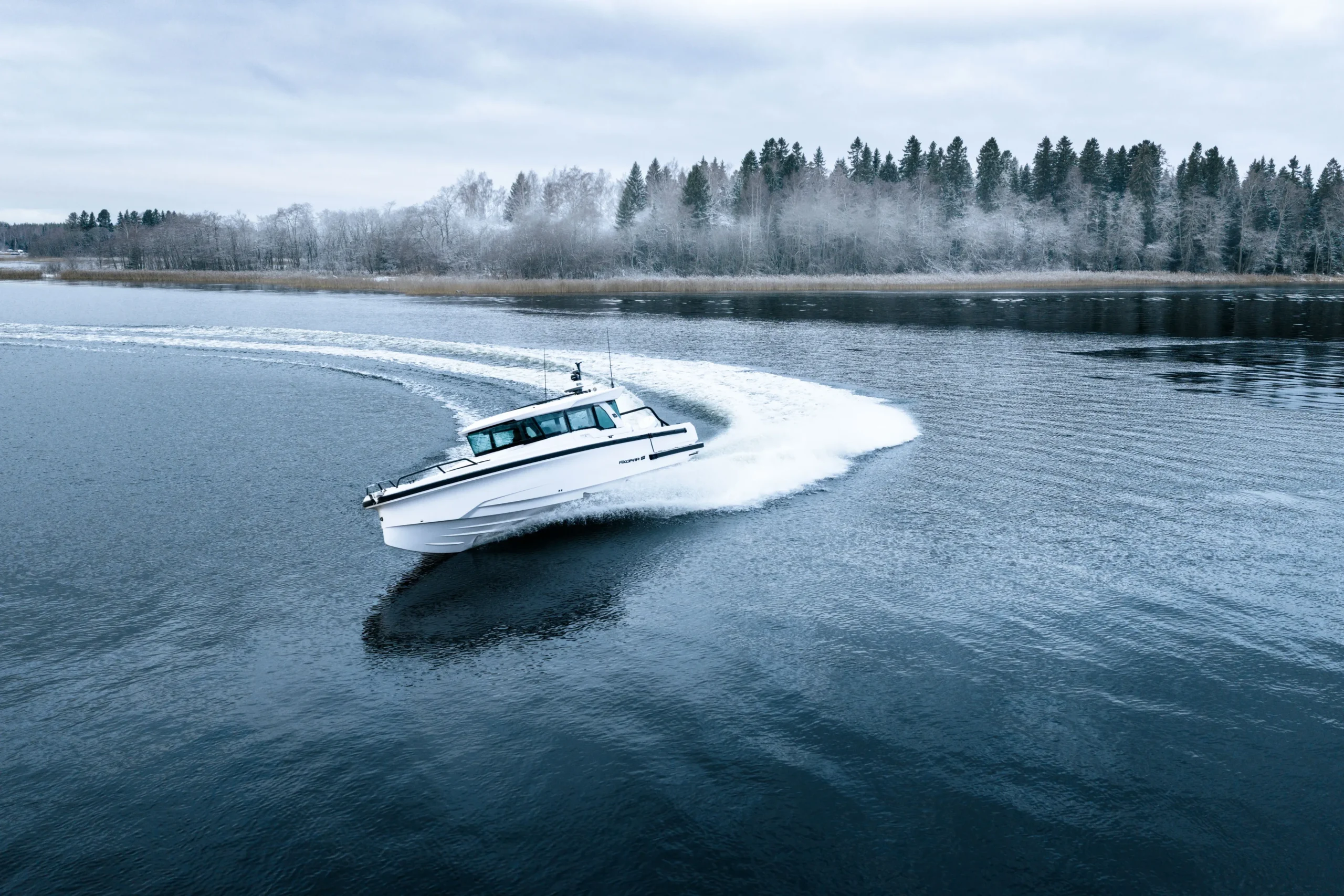
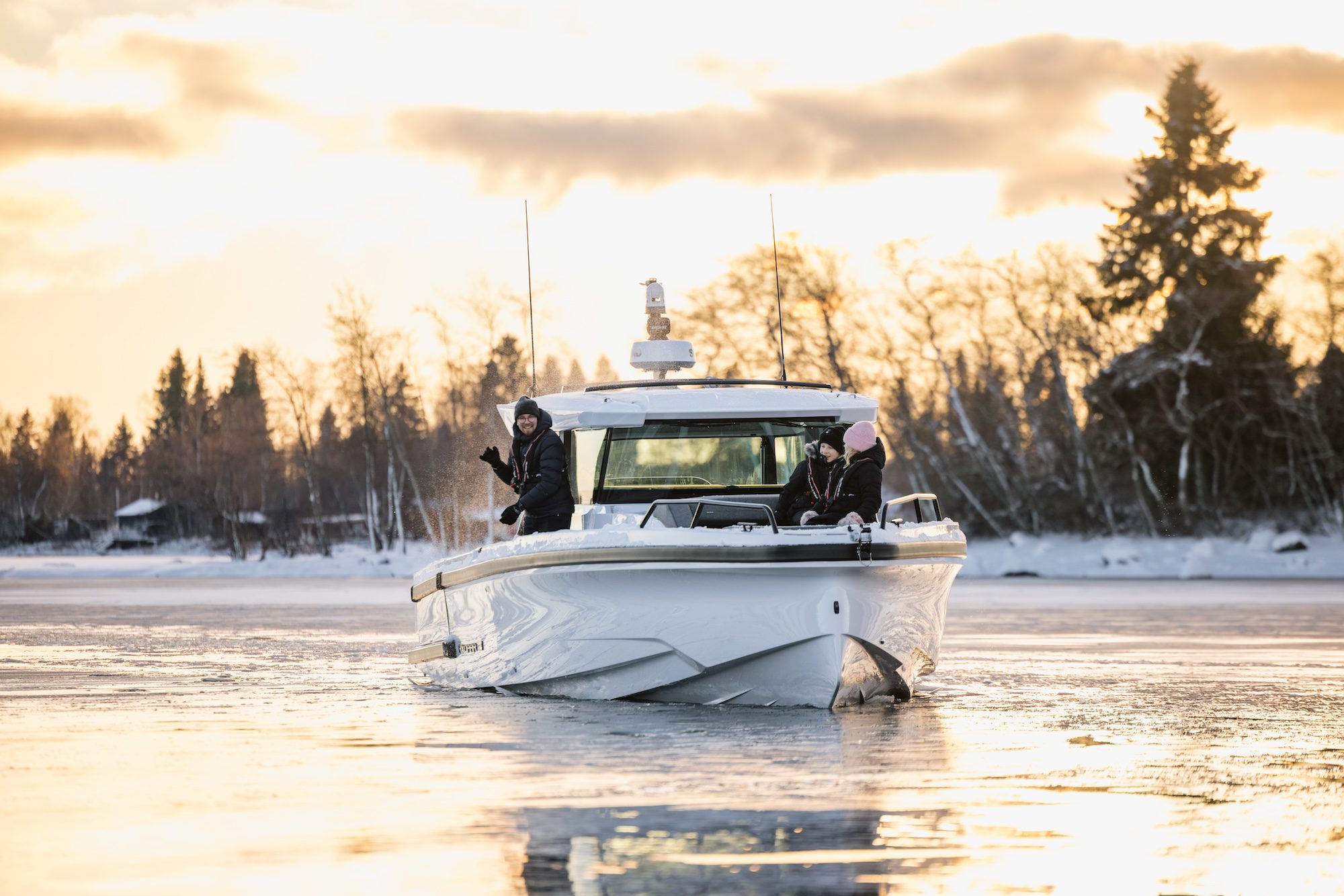
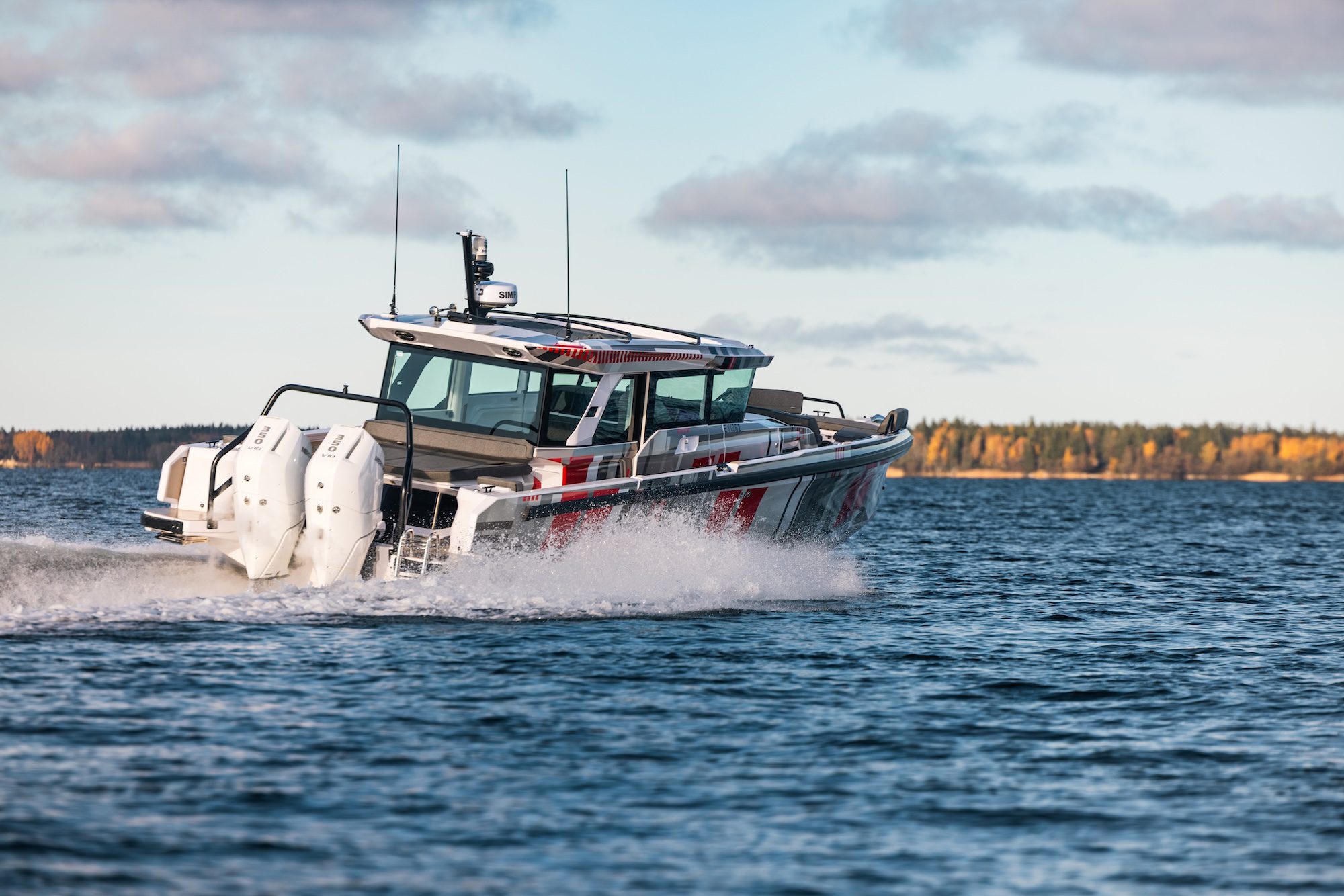
Why does the Axopar 38 still look like an Axopar?
One of the hallmarks of iconic design is consistency.
Rather than reinventing the appearance of each new model, Axopar evolves the concept gradually.
As Jarkko explains:
“If something is iconic and it works, you iterate.”
Even when the design appears familiar, every change has a reason.
“When we do a new boat, it’s a new boat, even if it looks similar, but there’s a reason for every change.”
Why could the Axopar 38 become the next legend?
For the design team, the goal was never simply to launch another boat.
The ambition was to continue building on the strengths that made previous models successful.
As Jamsen reflects:
“I think the new Axopar 38 will become the legacy of what we are building. It carries forward all the core characteristics that made the previous models successful, and the future will show how far that evolution can go.”
The real point of Axopar 38 design
The Axopar 38 design is not about change for the sake of change. It is about refining what already worked, solving what could be better and pushing the category forward without losing the values that built the brand.
For buyers researching a versatile walkaround adventure boat, that attention to detail is what makes the Axopar 38 stand out.
It is not simply another 38ft boat entering the market.
It is the result of years of refinement, careful engineering and a design philosophy built around one simple goal: making time on the water better.