Translate:

Axopar 38 Hull Design: The Questions Behind the Next Generation

What makes this 38 foot offshore boat such a strong performer in all sea conditions?

Part 1

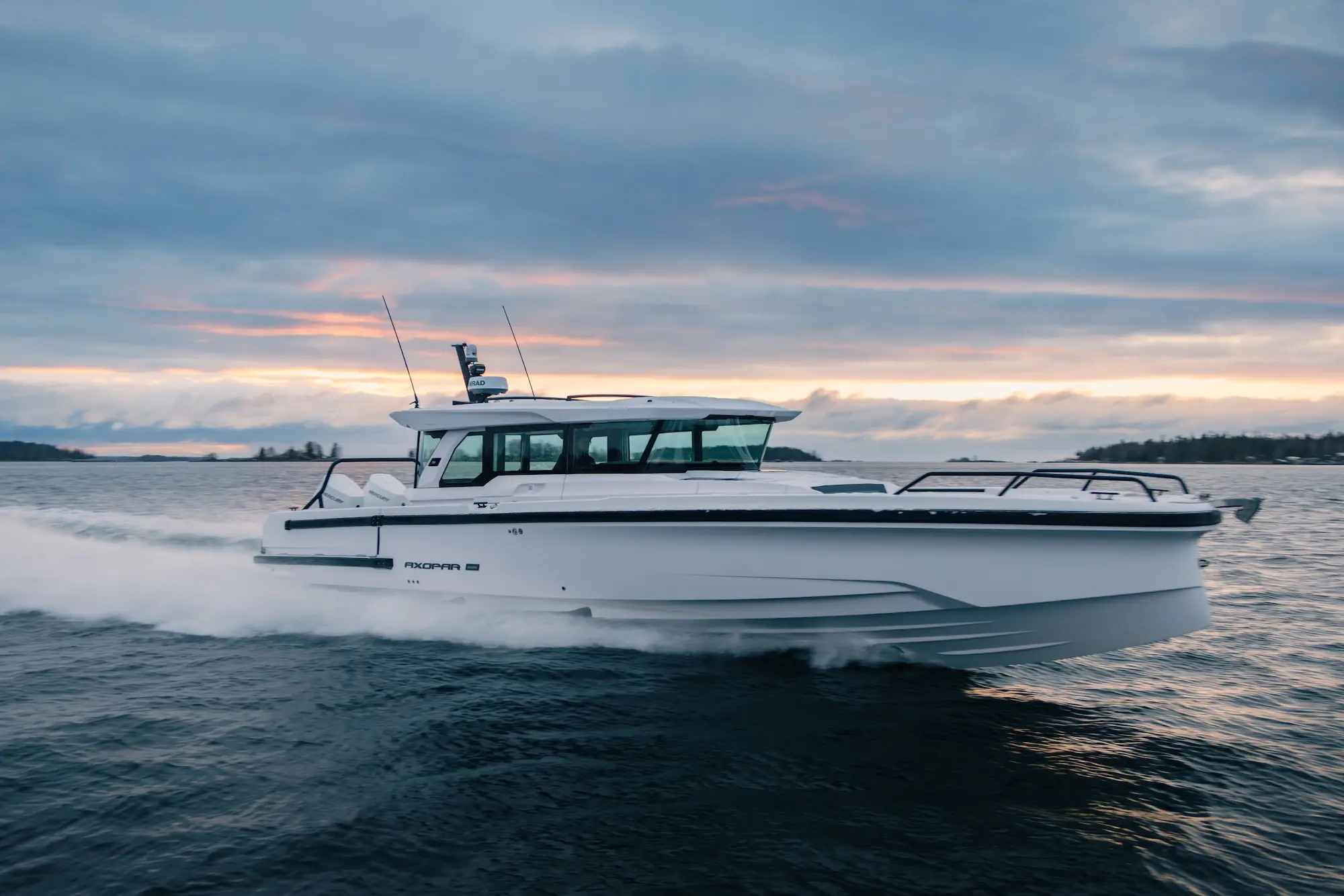
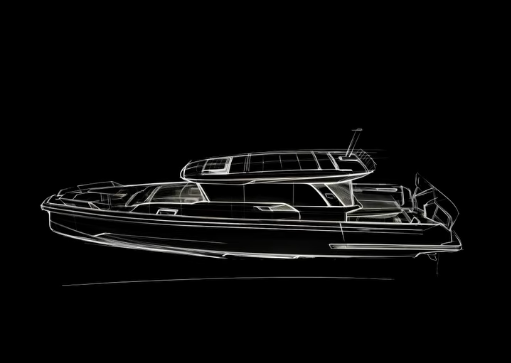
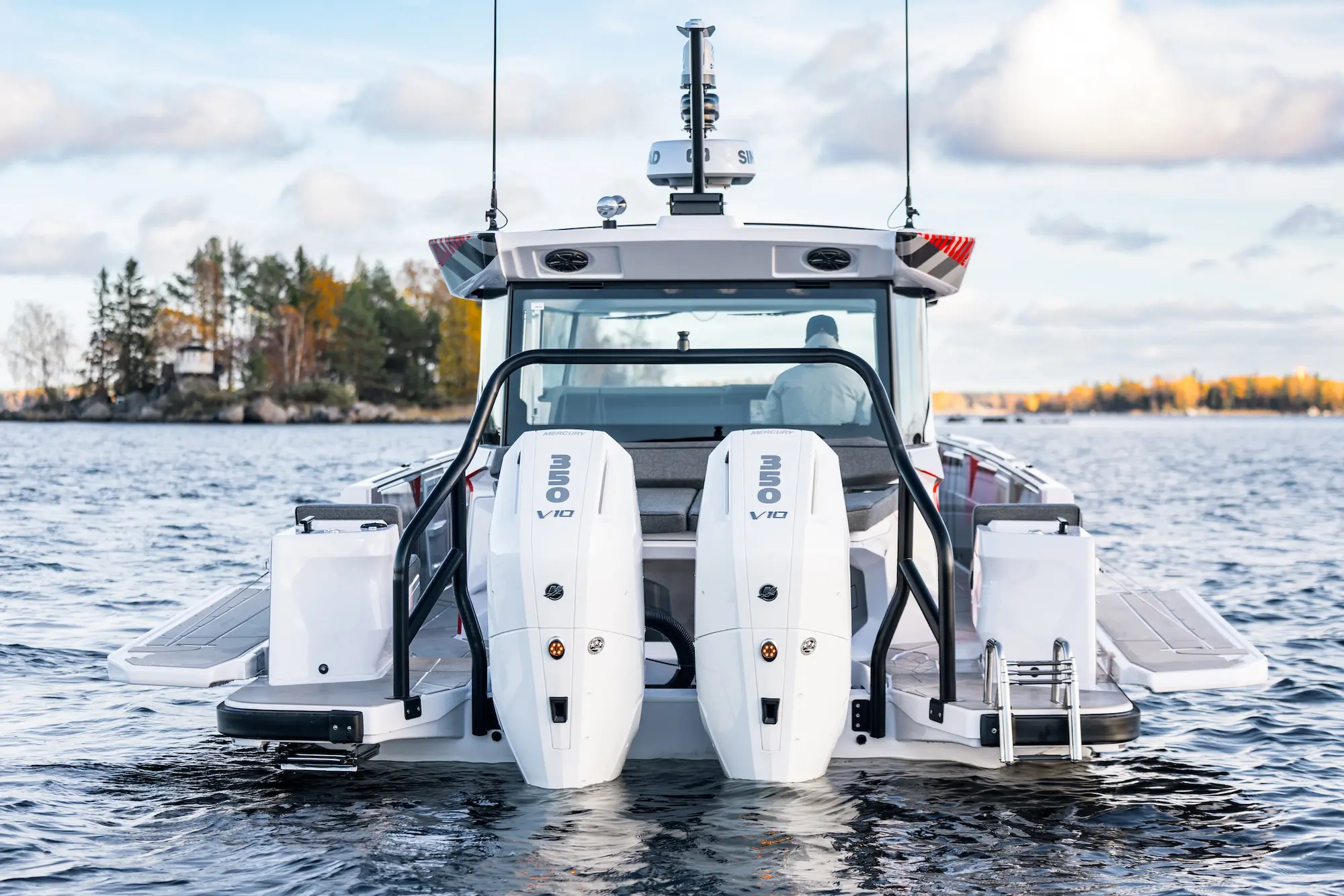
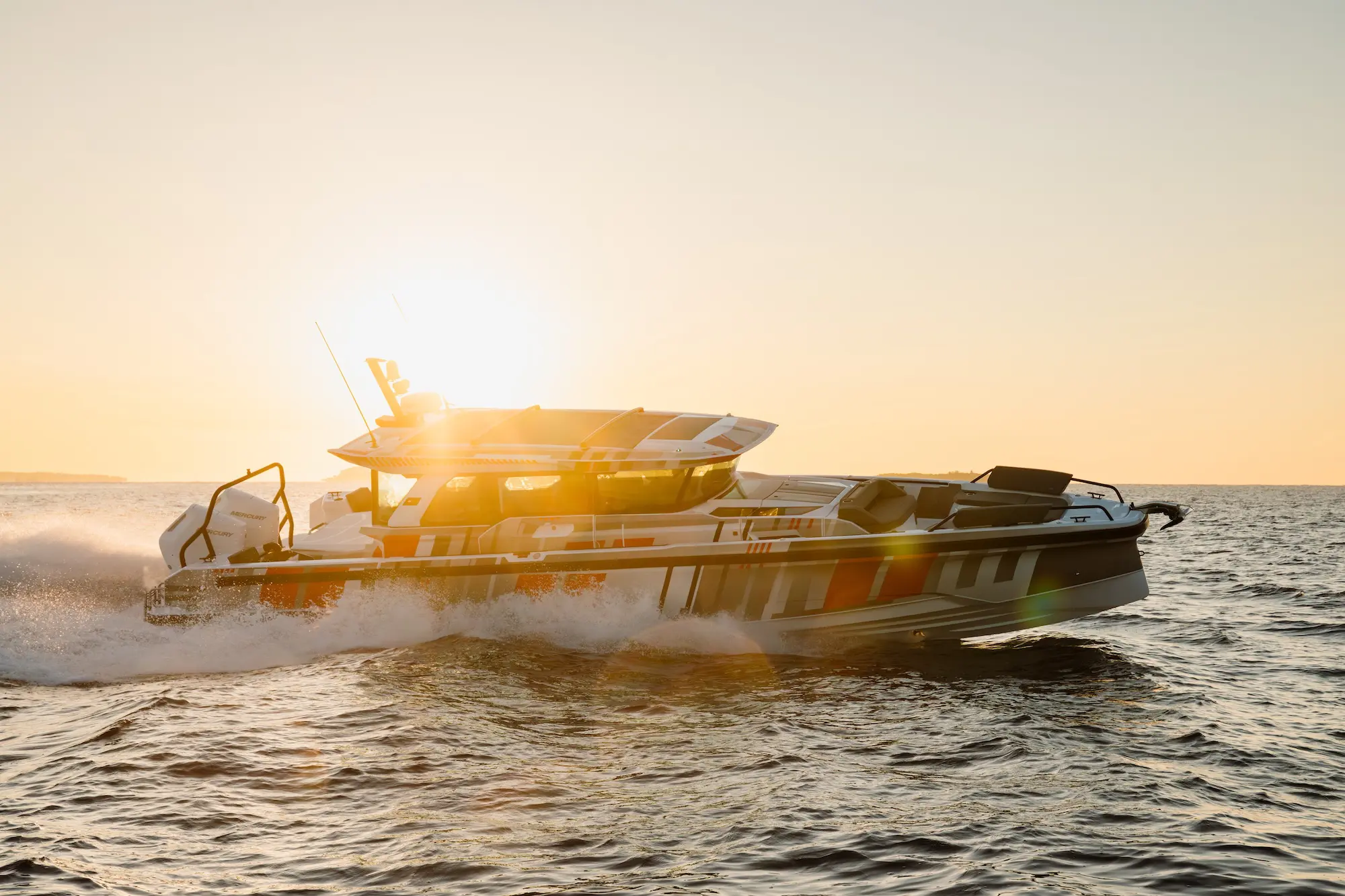
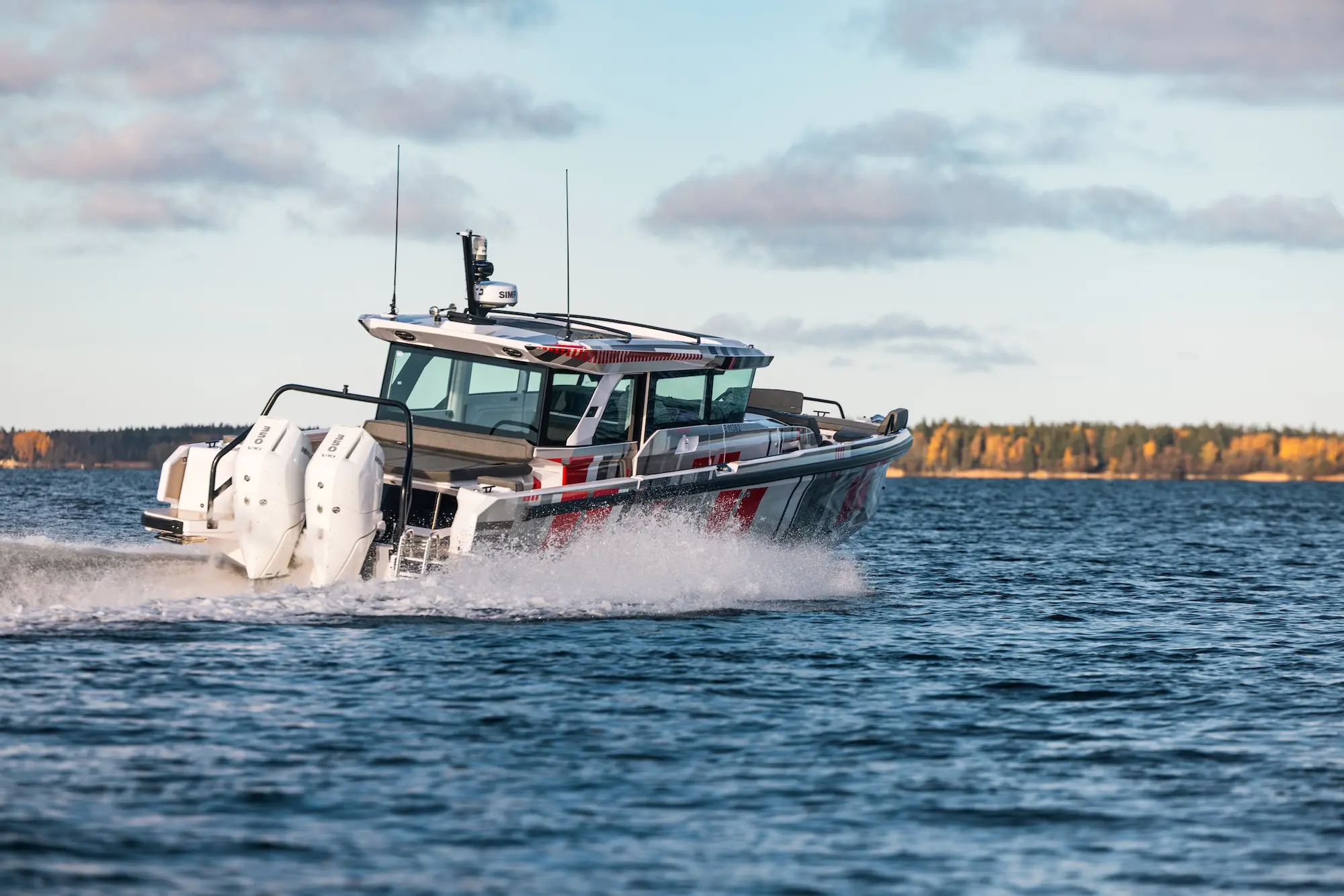
From a distance, the new model still looks unmistakably Axopar. But beneath the familiar silhouette lies a completely new approach to hull engineering. The Axopar 38 hull design is not simply an update, it is the next evolution of a platform that helped define the modern offshore adventure boat.

For more than a decade, Axopar has built a reputation for creating some of the most capable performance boats in the 30–40 foot category. At the heart of that success is the Axopar 37, which became the most sold boat globally in its class, setting a benchmark for efficiency, drivability and offshore capability. Its success inevitably inspired a wave of imitators across the market. Yet while many brands copied the appearance, few truly understood the engineering philosophy required to execute it properly.

The new 38 foot boat represents the culmination of that experience. Designed to improve handling, efficiency and structural refinement, the Axopar 38 hull has been developed through thousands of hours of sea testing combined with advanced CFD analysis.

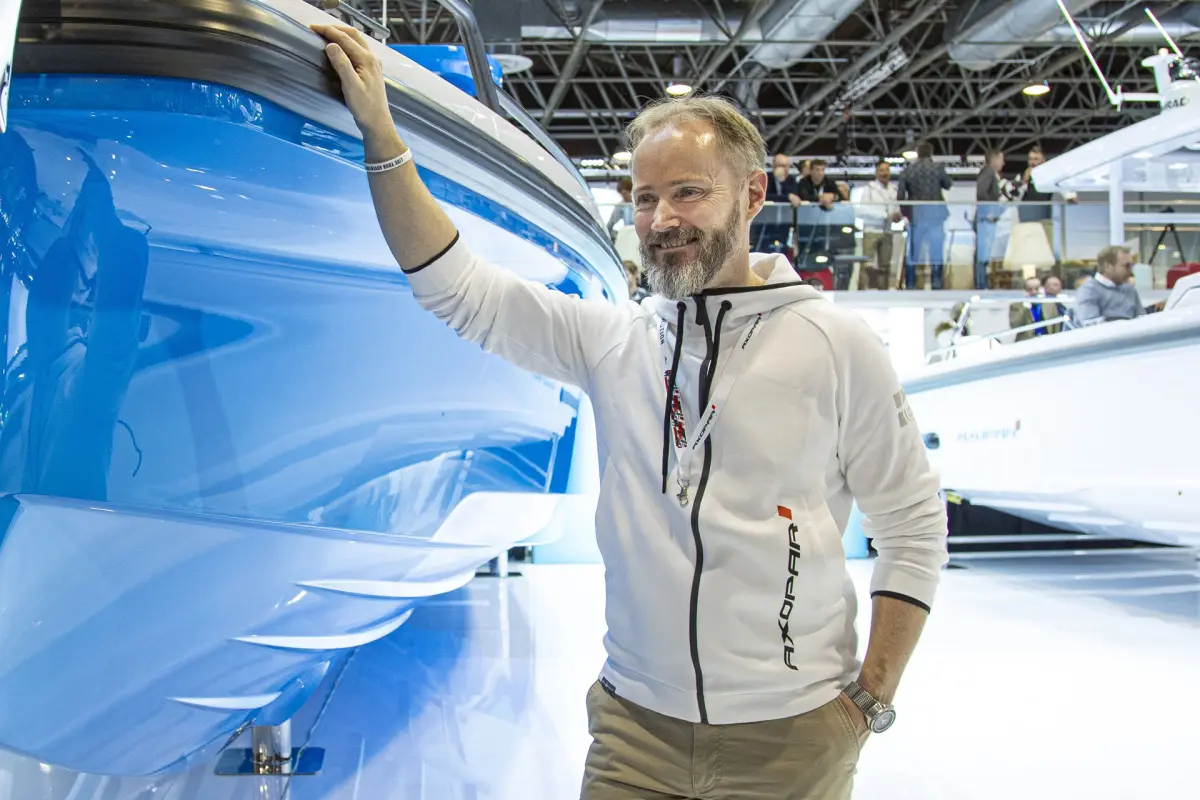
To understand what truly differentiates the new generation, Jan-Erik Viitala, Axopar Innovative Director and Co-Founder, and Jarkko Jämsén, Axopar Designer, answered key questions from the media and boating industry. Their insights reveal the thinking behind the boat’s hull development, offshore capability and why Axopar continues to stand apart in a growing market of lookalike adventure boats.
Key Improvements of the Axopar 38 Hull Design

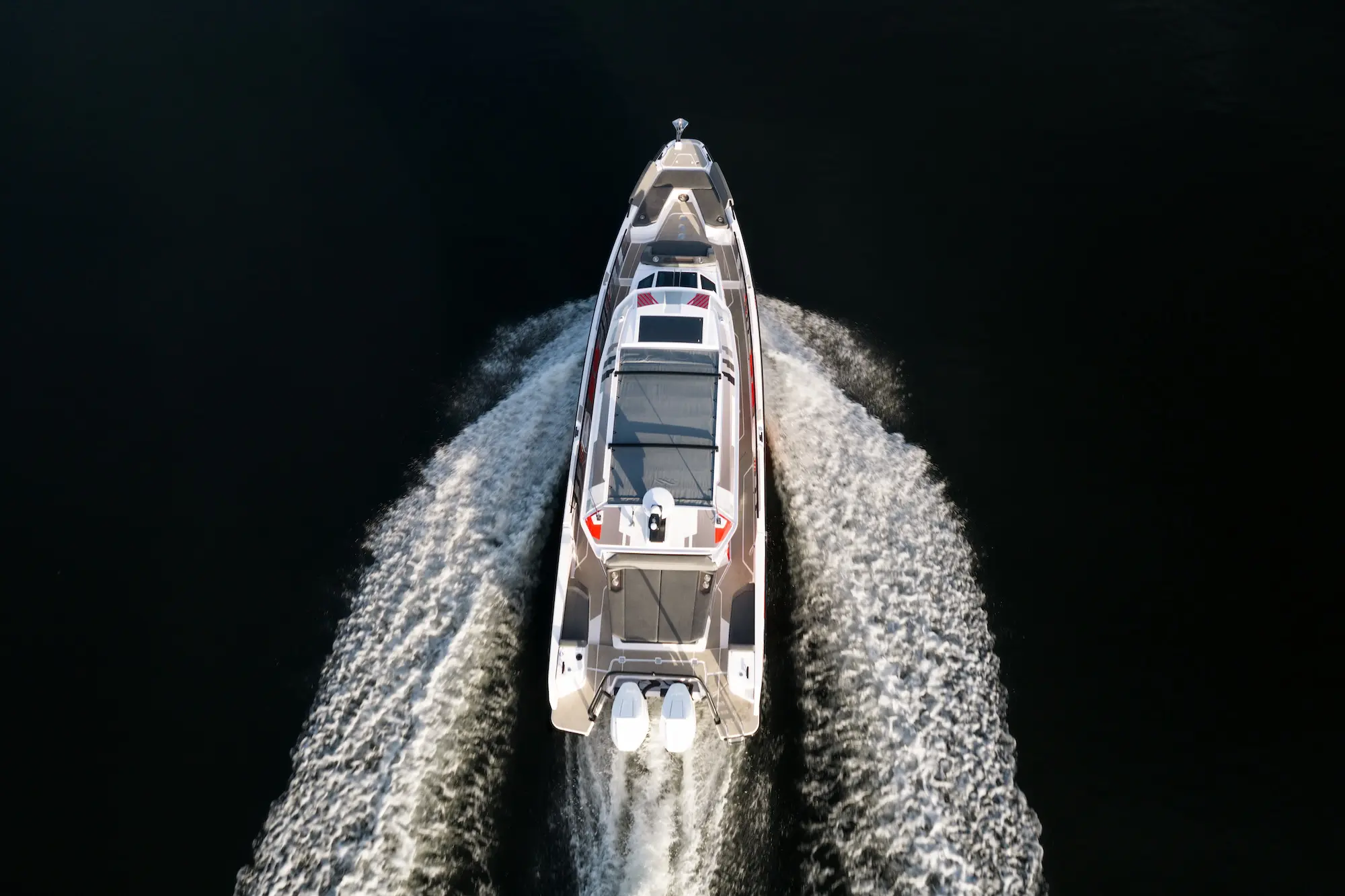
The most important changes in the Axopar 38 hull design are not always the ones you notice first. While the glass, GRP structure and metal components are entirely new, the deeper story lies in how this 38 foot performance boat behaves on the water.

This new generation was developed with a clear goal from the design team, to create the best handling offshore adventure boat in its class. That means more than simply achieving impressive top speeds. It means giving the boat predictable handling, confidence in changing sea states and the ability to travel comfortably over longer distances.

In other words, the goal was to make the Axopar 38 not just fast, but a truly capable offshore boat that performs consistently in real conditions.

This achievement is the result of thousands of hours of testing and development, combining real-world sea trials with advanced CFD simulations.

As Jan-Erik explains:

“The most important improvements are drivability, handling, agility and adaptability to changing sea state conditions, to be able to safely and securely take people to a destination at any time.”

That focus is what gives the new model substance. Rather than redesigning the boat for appearance, Axopar refined the characteristics that matter most once you leave the dock.


How does the new Axopar 38 hull improve drivability?

The changes to the Axopar 38 hull design may appear subtle, but they play a major role in how the boat performs as an offshore performance boat.

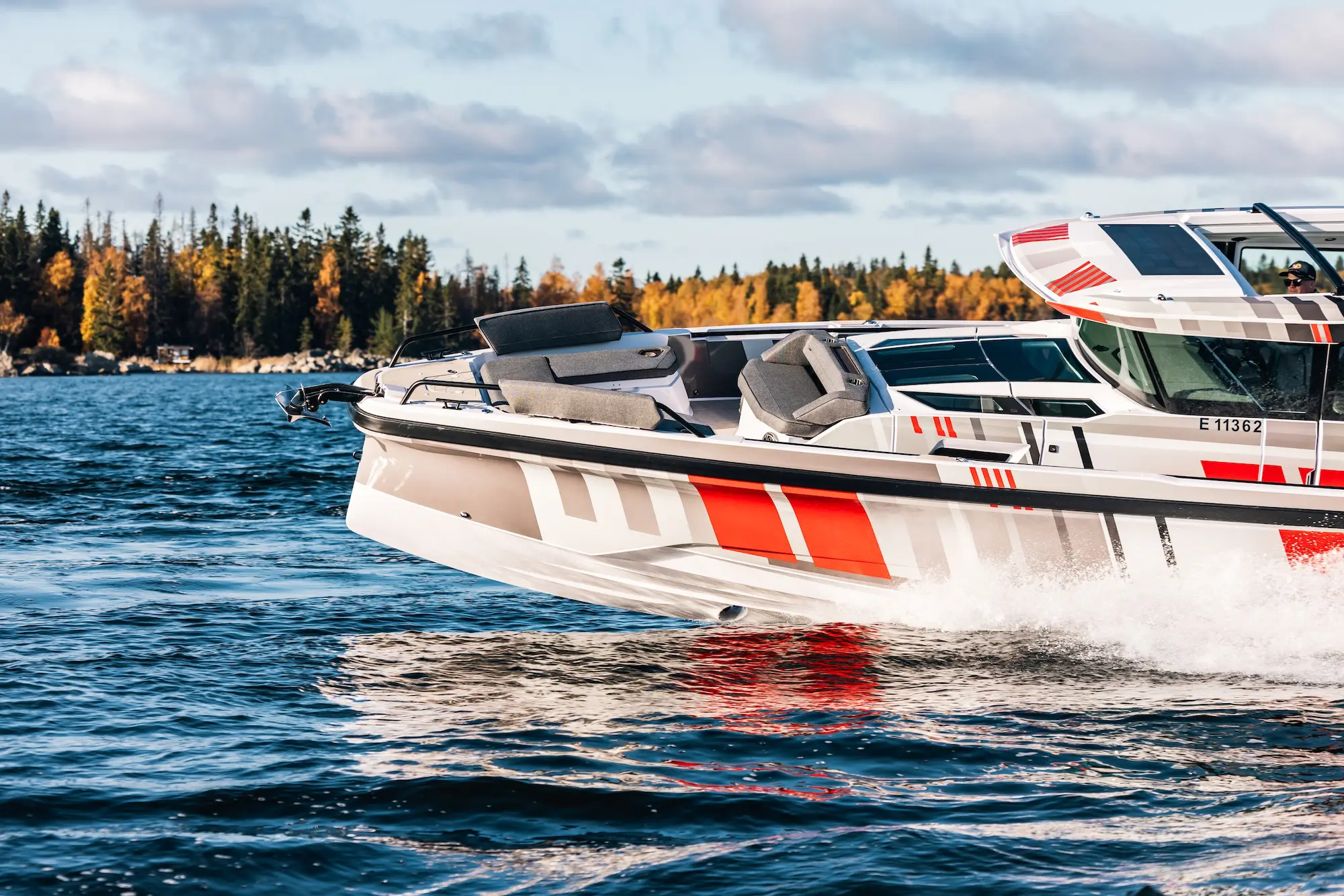
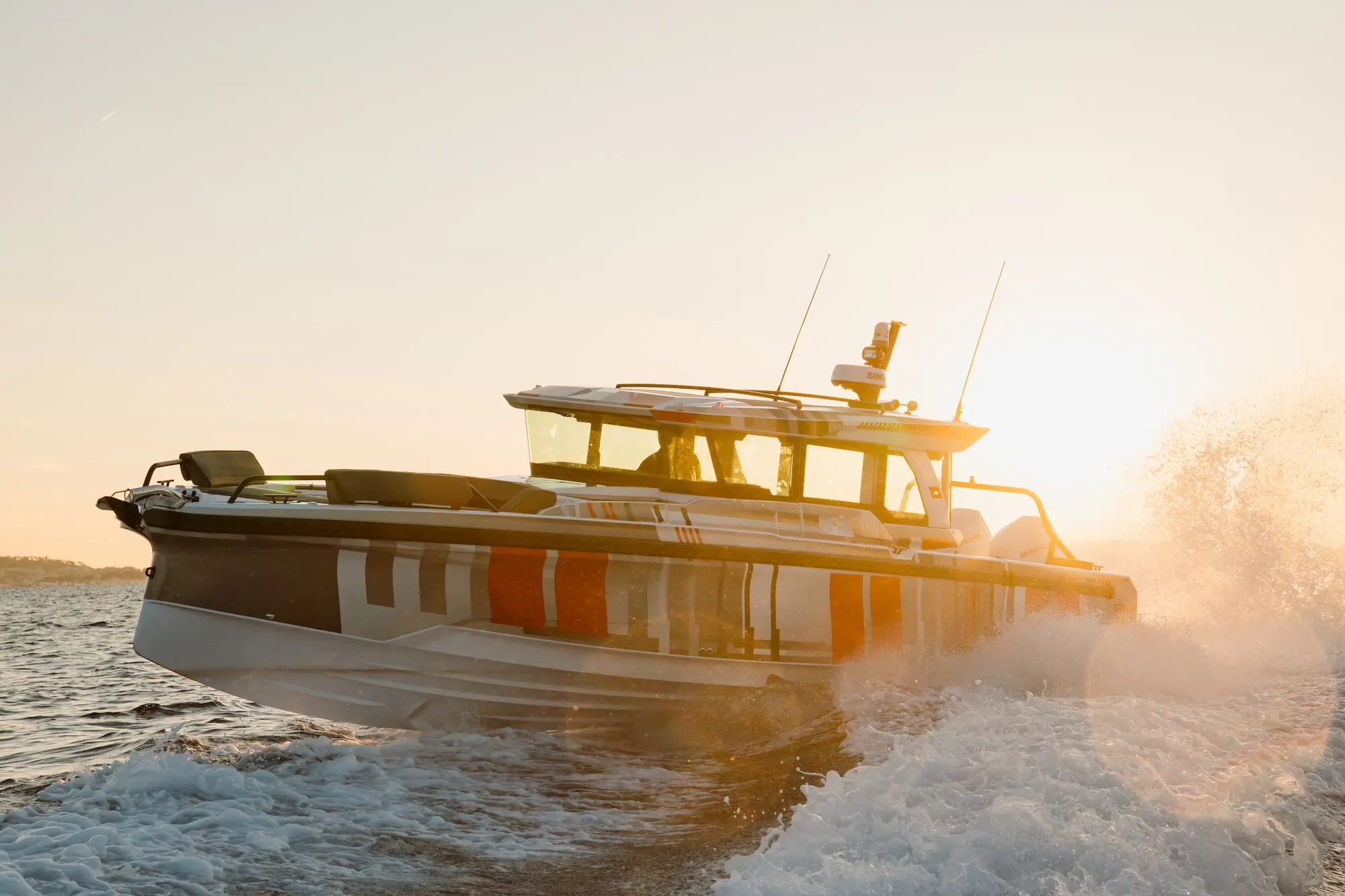
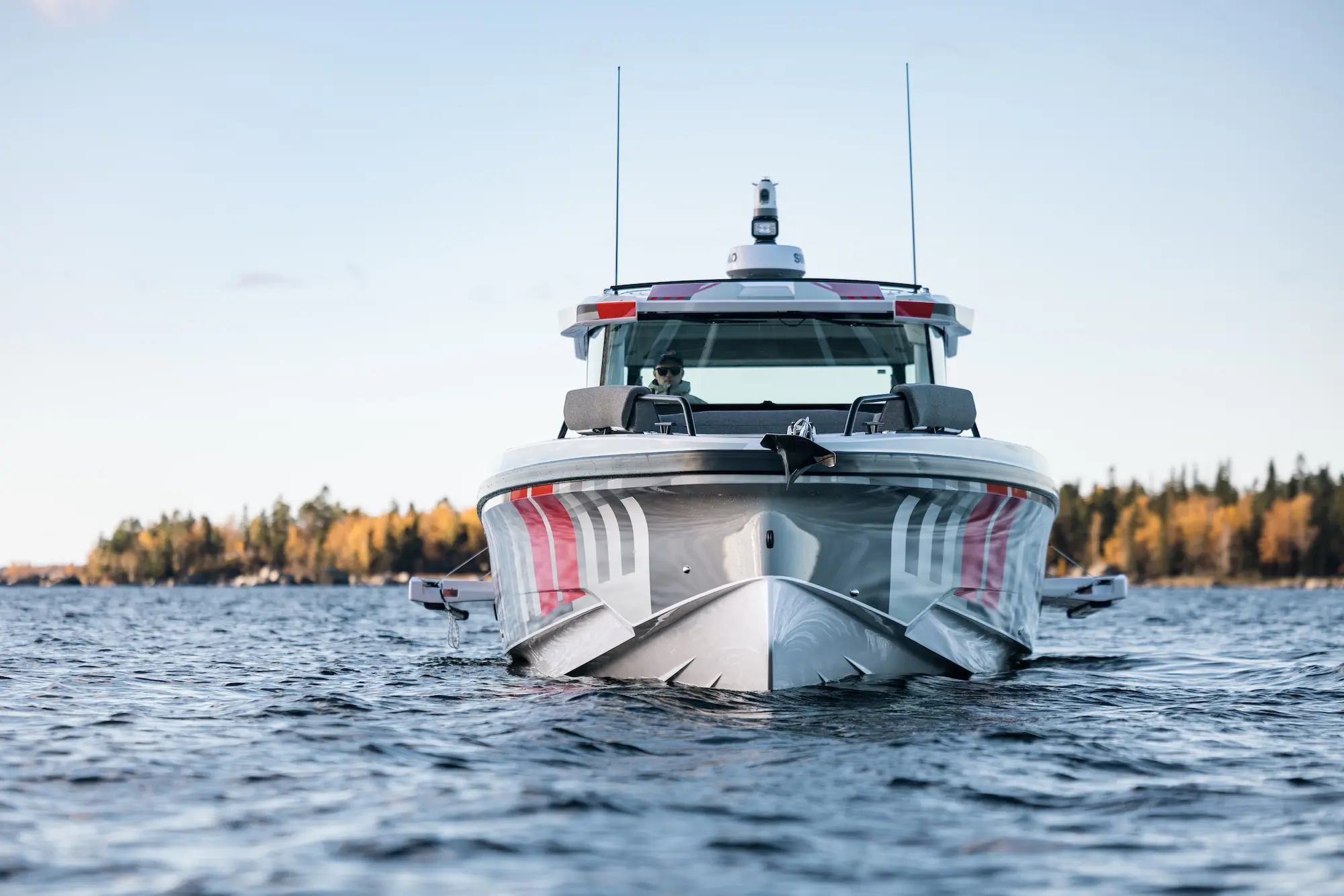
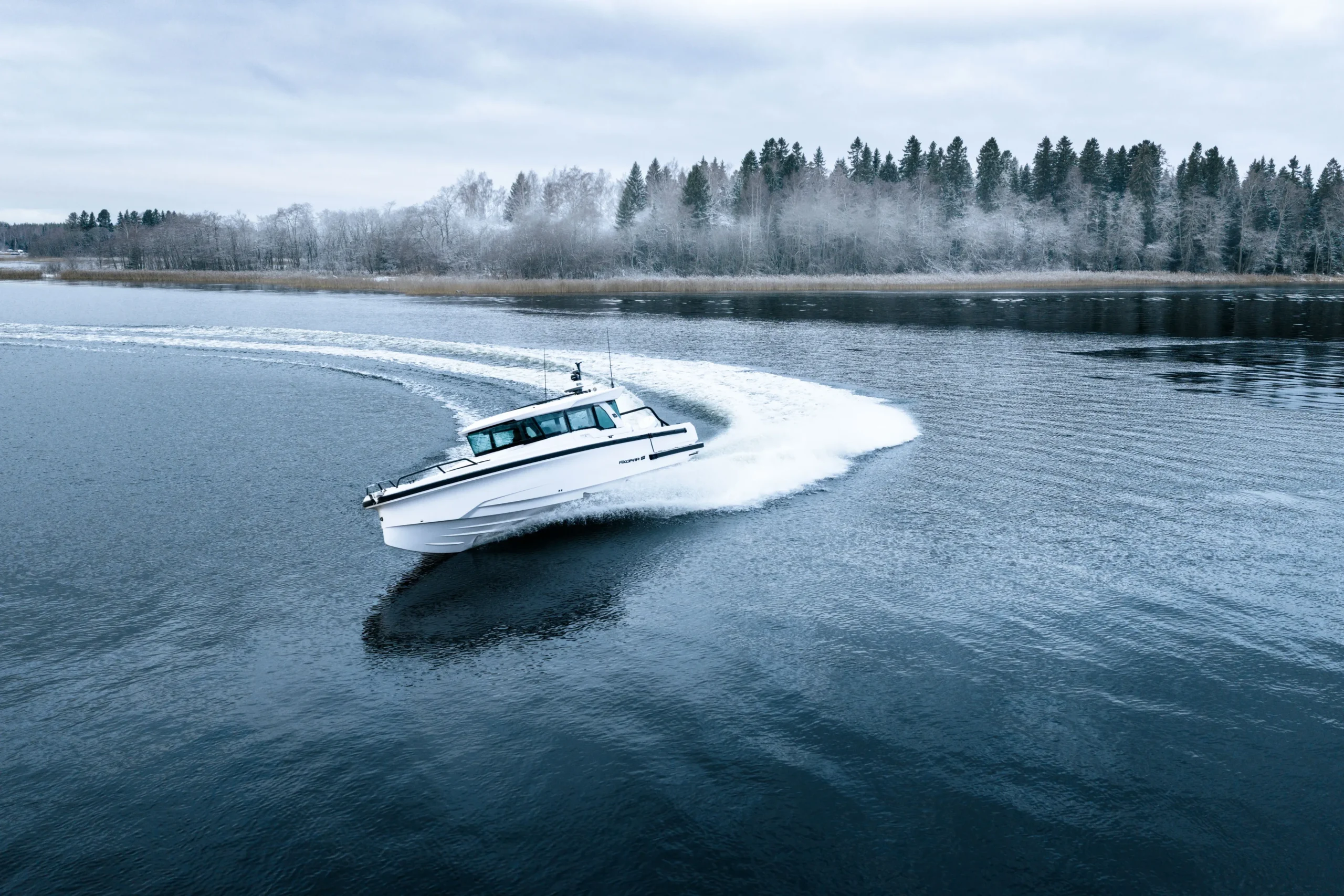
At the bow, the designers increased the flare and refined the chines. These adjustments help control spray, improve stability and increase efficiency at speed. However, the real work lies beneath the surface in the way the hull interacts with the water.

One of the key development goals was refining the running attitude of the boat through acceleration and at top speed.

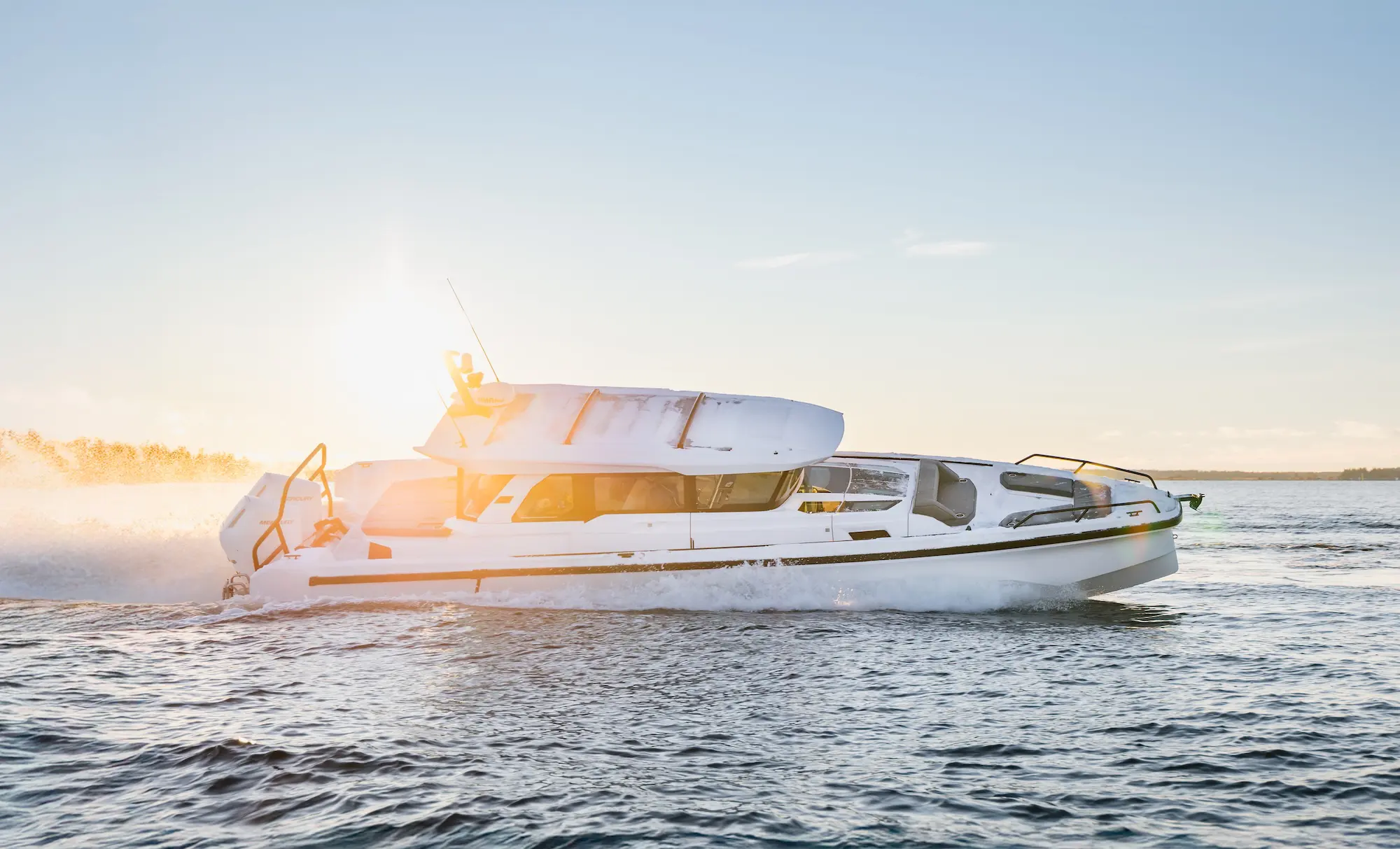
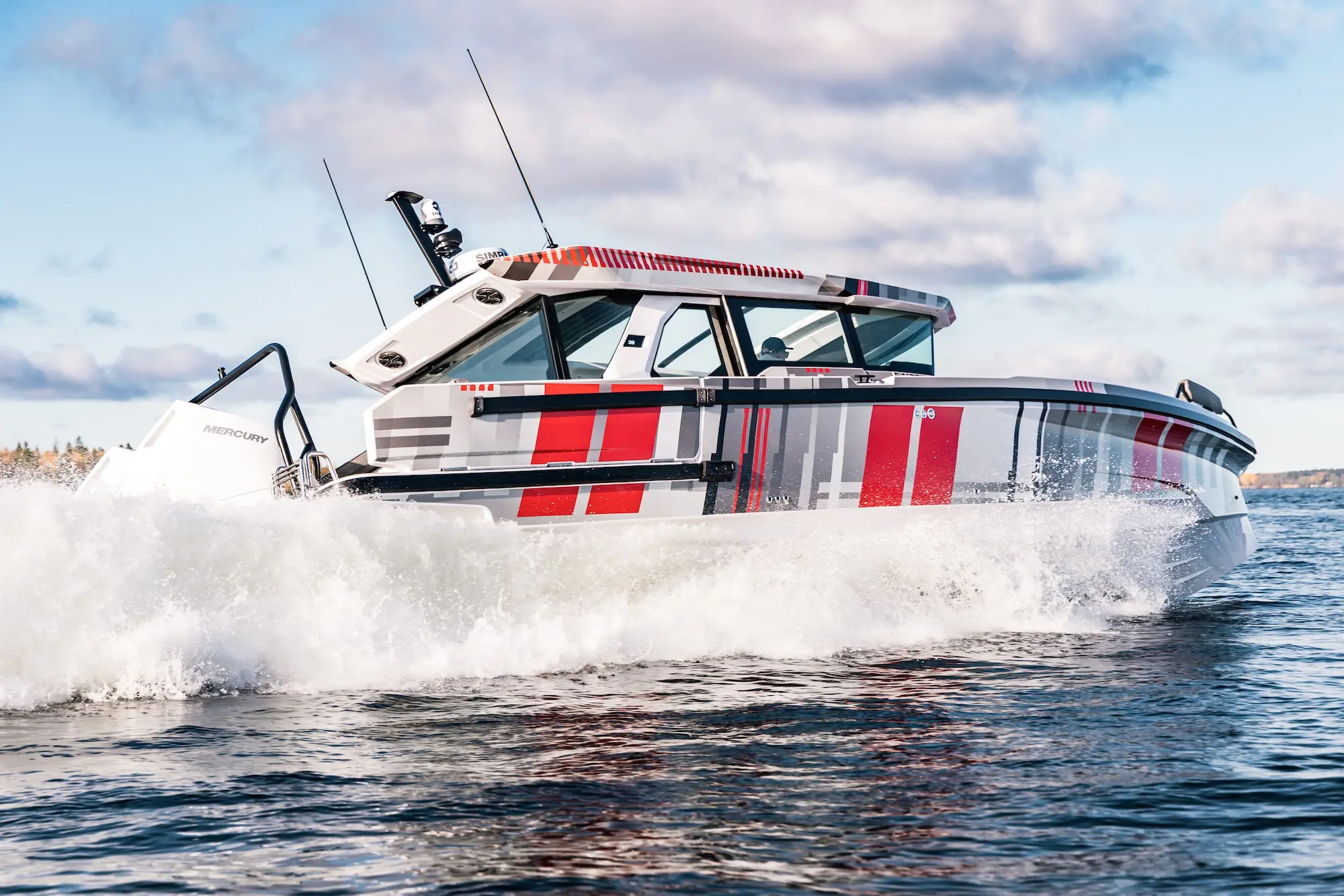
The designers focused on adjusting the trim characteristics of the hull by just one degree. That small change prevents the boat from running too bow-down at speeds approaching 40 knots and instead keeps the hull balanced and planted.

As Jarkko explains:

“The aim was to make the boat feel stronger, safer and more planted in the water.”

While one degree may sound insignificant, at high speeds even small adjustments can dramatically improve the feel and confidence of a performance boat in offshore conditions.

How has innovation improved sound insulation on the Axopar 38?

Axopar boats have long been known for their quiet and efficient hulls, but the Axopar 38 hull design takes this refinement even further.

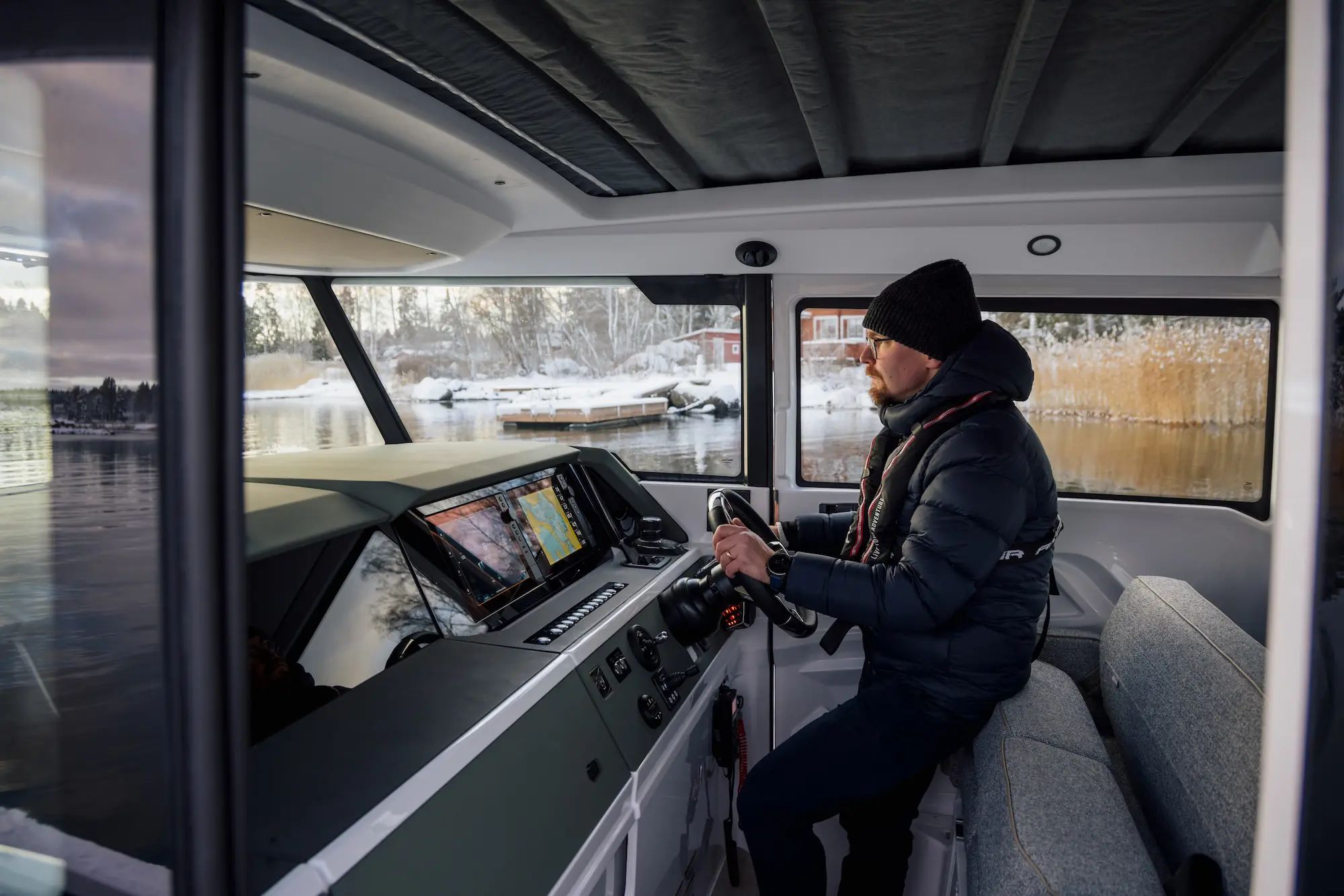
The team spent over a year analysing how noise travels through the structure of the boat, including engine vibration, wind noise and the impact forces created when landing in waves. By understanding these pressure points more precisely, they were able to redesign structural elements of the hull to better disperse loads.

A key development was the evolution of the internal stringer system, which makes the hull significantly stiffer than previous generations.

Jan-Erik explains:

“The boat is way more stiff than any Axopar we’ve ever done. We spent a year understanding how noise travels from the engine, wind and slamming, and we’ve been able to reduce sound levels by around 10 decibels.”

Combined with improved structural rigidity, the result is a more refined ride that reinforces Axopar’s reputation for building quiet offshore adventure boats capable of handling demanding sea conditions.

What role does CFD play in Axopar 38 hull development?

Modern performance boat design increasingly relies on advanced digital modelling, and CFD (Computational Fluid Dynamics) plays a critical role in the development of the Axopar 38.

CFD simulations allow engineers to analyse how the hull interacts with the water at different speeds, angles and loads. These insights help identify pressure zones and areas where efficiency can be improved.

Jarkko explains:

“The main program we use for CFD is Star-CCM+. It’s basically the best on the market.”

But software alone is not enough. Axopar emphasises the importance of feeding that system with the right data, then checking those findings against what happens on the water. That process of iteration is a major reason the hull continues to evolve.

This process of continuous iteration is one of the reasons the brand has been able to steadily refine the performance of its offshore boats over time.


How much has Axopar improved hull efficiency over time?

One of the most remarkable insights from the discussion is how much the Axopar hull has evolved since the first generation.

Rather than standing still after achieving success, the company continued refining the platform with each new model.

As Jarkko explains:

“In the history of Axopar, we have improved maybe 30 percent of the efficiency of the hull.”

That level of improvement is significant in the world of performance boat design, where small gains can have a major impact on speed, fuel efficiency and ride comfort.

This continuous evolution is why the Axopar 38 hull design represents far more than a styling update. It is the latest result of more than a decade of development in the offshore adventure boat category.

Is the Axopar 38 still a true offshore boat?

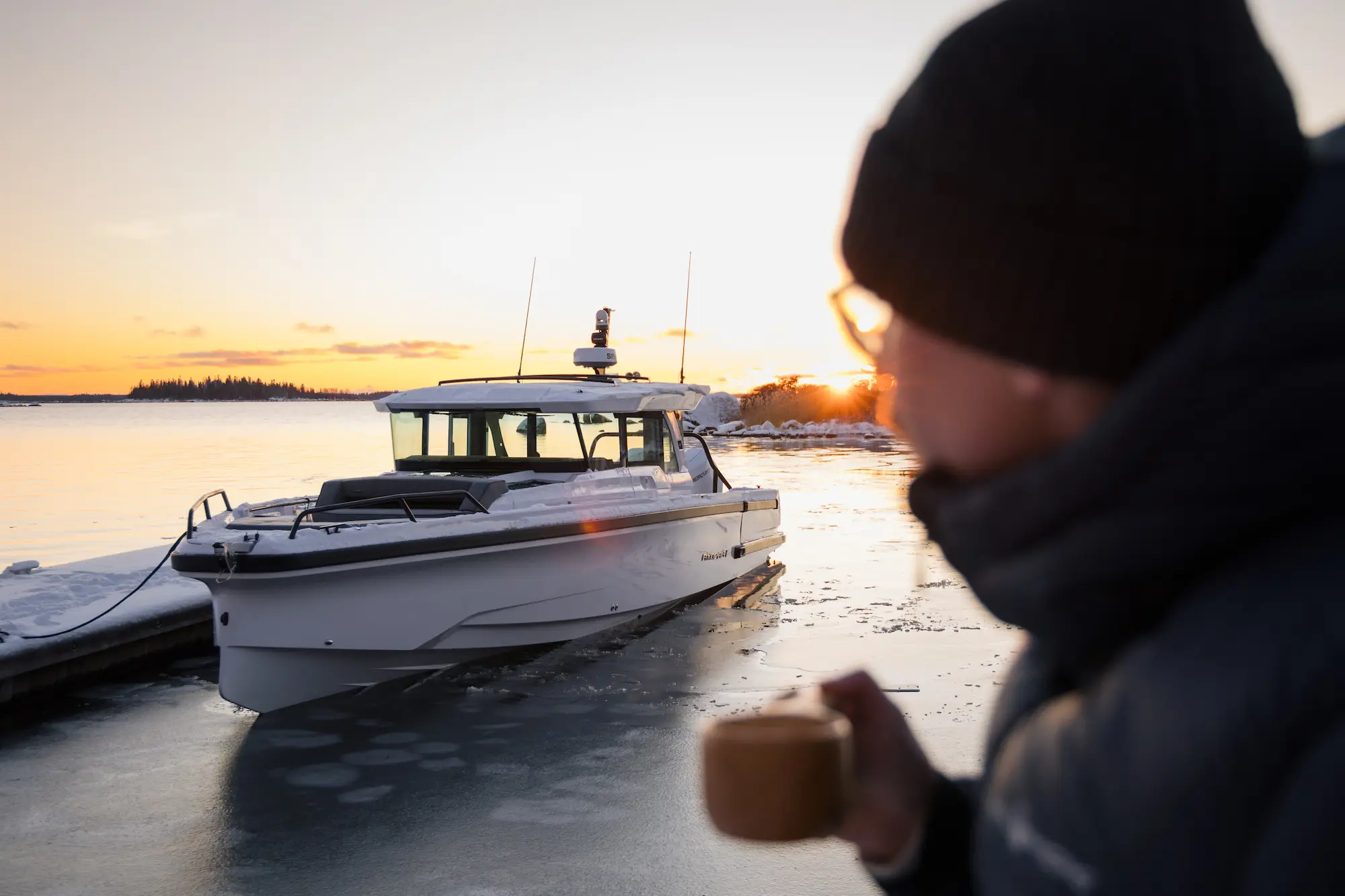
In many ways, offshore capability remains the heart of the Axopar concept. While the 38 foot boat introduces greater comfort and refinement, it has not moved away from the performance values that define the brand.

The hull attitude, structural rigidity, sound insulation and low-profile design all contribute to the boat’s ability to handle challenging conditions with confidence.

As Jarkko explains:

“We have to make sure that we keep the performance level up. That’s the key to Axopar’s brand.”

This is an important distinction in a market where many boats sacrifice performance in favour of interior volume.

The Axopar 38 instead aims to remain a true offshore boat, capable of adventure while still delivering comfort and usability.

How does the Axopar 38 hull design remain unique in a growing field of lookalikes?

The success of Axopar inevitably inspired a wave of imitators. Today many boats resemble the Axopar concept, particularly within the performance and adventure boat segment.

However, according to the designers, visual similarity does not mean the engineering philosophy has been understood.

Many hull features now seen across the market originated from Axopar’s design thinking, but the purpose behind them is often misunderstood.

As Jarkko explains:

“You see similar things in the market. For me, it’s funny to watch them, because I can see that they haven’t understood why we have done those. The reason they are done are not executed.”

In some cases, the features have even been copied without understanding their functional purpose.

Jan-Erik recalls a conversation with another manufacturer:

“They said, ‘Yes, we put them there, but it’s just for show.’”

In other words, the shapes may look similar, but the hydrodynamics, structural engineering and real performance of the hull are very different.

That difference in understanding is what continues to separate the Axopar 38 hull design from many other 38 foot offshore boats entering the market today.

In a world where successful designs are quickly imitated, true innovation is often harder to recognise. The Axopar 38 hull design demonstrates why engineering philosophy matters as much as styling.

While many brands have adopted similar visual cues, the performance of a true offshore boat comes from a far deeper understanding of hydrodynamics, structural engineering and real-world usability. Axopar’s designers have spent more than a decade refining these principles, improving hull efficiency, reducing noise and constantly evolving the way the boat interacts with the water.

That commitment is why the Axopar 38 continues to stand out as a leading performance adventure boat in its class. It is not simply another 38 foot boat entering the market, it is the next step in a design philosophy built on testing, iteration and a clear understanding of why the original concept worked in the first place.

And in a category increasingly filled with lookalikes, that depth of experience may be the biggest advantage of all.